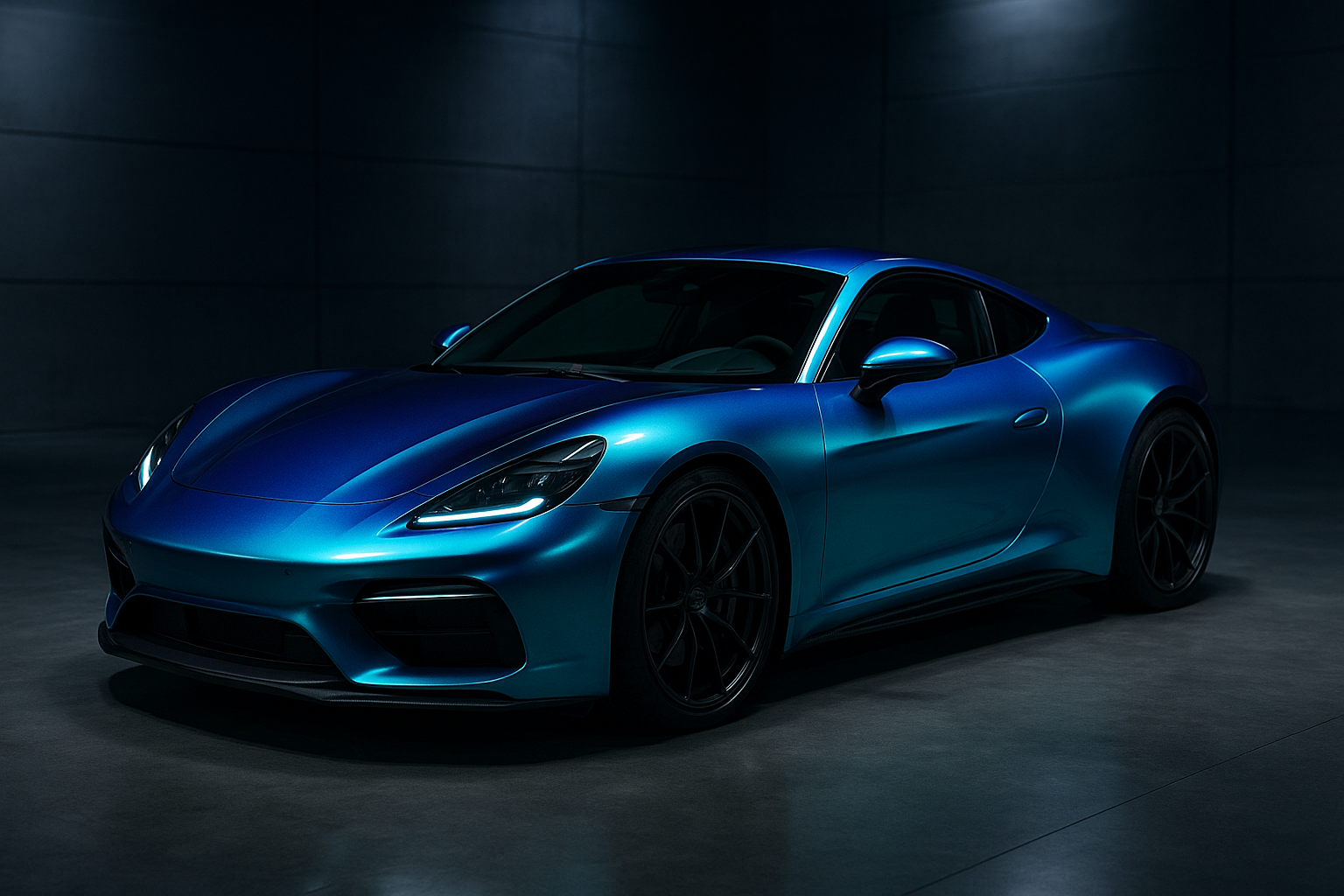
3M vs Avery Dennison vinyl wrap — two of the most trusted brands in the industry. Here is a complete 2026 comparison covering color range, durability, price, and which brand is right for your shop.
3M and Avery Dennison are the two most recognized vinyl wrap brands in the automotive industry. Both produce premium wrap films trusted by professional installers worldwide. But when it comes to choosing between them for a specific project, there are real differences worth understanding.
This guide compares 3M vs Avery Dennison vinyl wrap across every important dimension: color range, durability, price, ease of installation, and which brand suits which use cases.
About 3M Vinyl Wrap
3M is one of the world's largest materials science companies and has produced vinyl films for automotive use for decades. Their wrap products are currently offered under two main product lines.
3M 1080 Series is the entry-level flagship line. It offers gloss, matte, satin, and specialty finishes at competitive pricing. The 1080 series uses 3M's Comply adhesive technology, which allows air release during installation and repositionability — a feature that significantly helps installers achieve bubble-free results.
3M 2080 Series is the premium upgrade. It uses 3M's Envision technology for improved color vibrancy and a more refined finish appearance. The 2080 also incorporates enhanced UV protection for improved longevity in sun-heavy climates.
Both lines come with a three-year warranty against fading, cracking, and peeling when installed and maintained according to 3M guidelines.
About Avery Dennison Vinyl Wrap
Avery Dennison's Supreme Wrapping Film (SW900) series is the brand's primary vehicle wrap line and one of the most widely used products in the professional installer community.
The SW900 offers gloss, matte, satin, metallic, and specialty finishes. Avery Dennison's key installer-friendly technology is their Easy Apply RS (Repositionable) adhesive, which allows the film to be lifted and repositioned during installation without stretching or damaging the material.
Avery Dennison also produces the Color Flow and Colorflow shifting series — some of the most popular color-shift wrap materials on the market.
SW900 comes with a five-year manufacturer warranty, longer than 3M's standard three-year coverage.
3M vs Avery Dennison: Color Range
Both brands offer extensive color catalogs.
3M's 1080 and 2080 combined offer over 100 finish options, including standard colors and specialty films like carbon fiber, brushed aluminum, and chrome.
Avery Dennison SW900 offers a comparable or slightly larger standard color catalog, with notable strength in specialty finishes. The Color Flow series provides some of the most dramatic and well-regarded color-shift options available from any major brand.
For pure color variety, Avery Dennison holds a slight edge, particularly in specialty and color-shift categories.
3M vs Avery Dennison: Durability
Both brands produce materials rated for exterior vehicle use with UV stabilizers that resist fading.
3M 1080/2080: Three-year warranty as standard.
Avery Dennison SW900: Five-year warranty as standard.
In real-world use, both materials perform comparably when installed correctly and maintained properly. The five-year Avery warranty is a meaningful selling point for shops that offer long-term coverage to their customers.
3M vs Avery Dennison: Ease of Installation
Both brands invest heavily in making their materials installer-friendly.
3M's Comply adhesive is consistently praised by installers for easy air release and repositionability. On large flat panels, the Comply channels make bubble-free application significantly easier, especially for less experienced installers.
Avery Dennison's Easy Apply RS adhesive is similarly praised. Many experienced installers slightly favor Avery because the film stretches slightly more uniformly around tight curves — particularly useful on modern vehicles with complex body lines and deeply sculpted panels.
For newer installers, 3M's Comply technology often provides the gentler learning curve. For experienced shops working with complex modern body styles, Avery's conformability advantage is often cited.
3M vs Avery Dennison: Price
Both brands are premium products, and both are priced accordingly.
3M 1080 is slightly more affordable than Avery SW900 in most markets. 3M 2080 and Avery SW900 are closer in price and often within 10 to 15 percent of each other.
The difference is rarely significant relative to total installation labor costs. Shops typically pass material costs through to customers, so the price difference at the consumer level is usually modest.
Which Brand Do Professional Wrap Shops Prefer?
In surveys of professional installers and wrap shop owners, both brands have strong followings. Regional availability often influences preference as much as product characteristics — shops stock whichever brand their local distributor carries reliably.
Many high-volume shops stock both brands and select between them based on the specific project. 3M is frequently chosen for large flat-paneled vehicles and fleet work. Avery Dennison is often chosen for sports cars, luxury vehicles, and any project requiring exceptional conformability on complex body lines.
3M vs Avery Dennison: Which Should Your Shop Stock?
If you are equipping a new shop, stocking both is the safest approach. Both brands have excellent distributor networks, and having both available allows you to match material to project requirements.
If budget or storage forces a single-brand choice, consider your vehicle mix. If you primarily wrap trucks, vans, and fleet vehicles, 3M's Comply adhesive advantage on large flat panels is meaningful. If you specialize in sports cars, luxury vehicles, and high-end personal wraps, Avery Dennison's conformability and five-year warranty are compelling.
Preview Any Color from Either Brand with AI
WrapMyRide AI includes exact color-matched swatches from both 3M and Avery Dennison — along with KPMF, Inozetek, STEK, Hexis, and Arlon — in a library of over 3,000 colors and finishes.
Before committing to any color from either brand, you can upload a photo of the customer's vehicle and preview the exact 3M or Avery swatch on their real car. This eliminates guesswork, reduces change orders, and helps customers commit to their design with confidence.