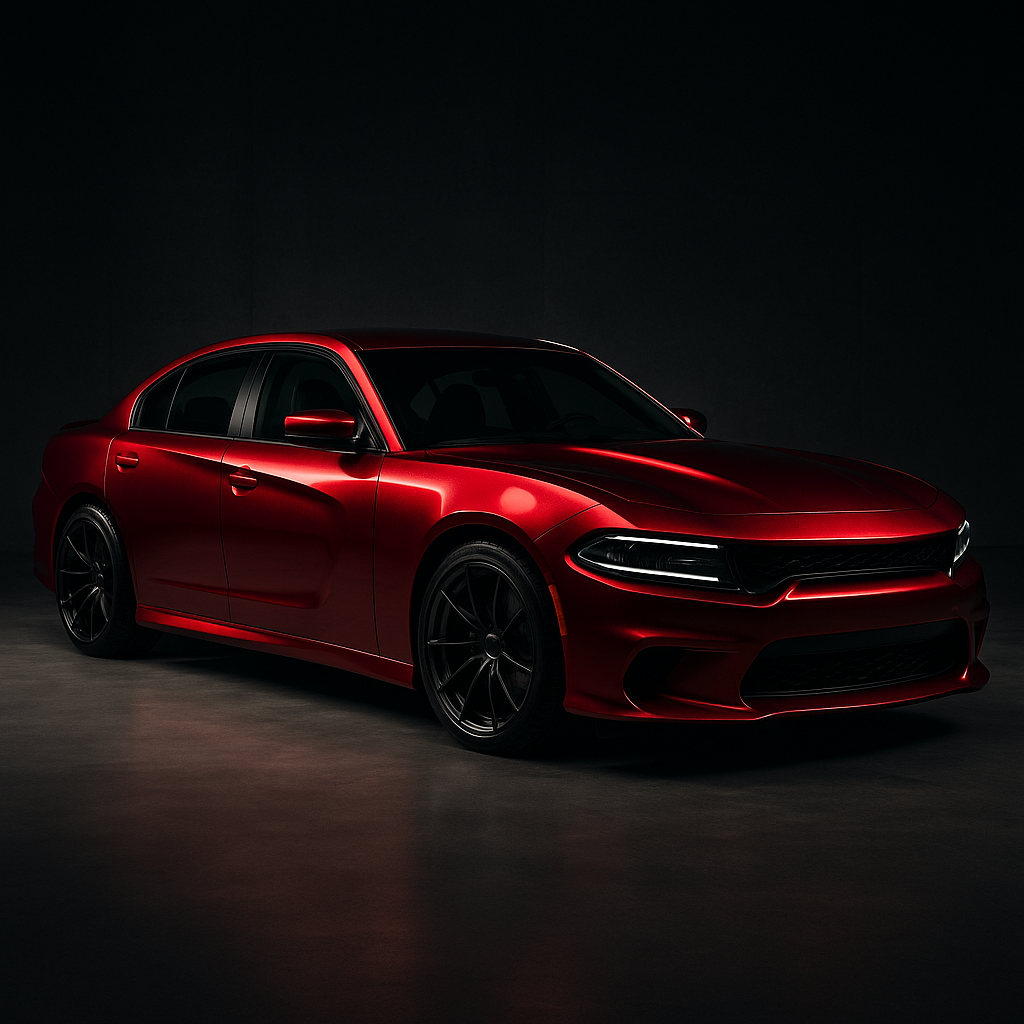
Learn how brushed metal vinyl wrap looks, how durable it is, what affects its lifespan, and how to maintain its distinctive metallic finish.
Brushed Metal Vinyl Wrap: What It Looks Like and How It Holds Up
Brushed metal vinyl wrap gives a vehicle a technical, industrial appearance without the cost, weight, or permanence of real metal panels. Its defining feature is a fine linear grain that resembles aluminum or stainless steel brushed in one direction. Depending on the color and lighting, the surface can look silver, gunmetal, titanium, bronze, or even black with a subtle metallic sheen.
Unlike a standard gloss or satin wrap, brushed vinyl is designed to create visible texture through printed grain and reflective pigment. The result is a finish that changes as the vehicle moves or the viewing angle shifts. It can make a car look more modern and customized while remaining more understated than chrome or mirror-finish film.
What Does Brushed Metal Vinyl Wrap Look Like?
The appearance of brushed metal wrap depends on three main factors: the base color, the direction of the grain, and the amount of light hitting the panel.
Most brushed films have fine, closely spaced lines running consistently in one direction. In direct sunlight, those lines catch the light and produce a soft metallic reflection. In shade, the finish may appear closer to a satin color with only a faint texture. This variation is part of the appeal, but it also means online color samples may not fully represent how the film looks on a complete vehicle.
Common brushed metal options include:
- Brushed silver or aluminum for a clean, OEM-inspired appearance
- Brushed gunmetal for a darker, sportier look
- Brushed black for a subtle finish that shows texture up close
- Brushed titanium for a warm gray metallic effect
- Brushed bronze, copper, or gold for a more distinctive custom design
- Brushed blue, red, or other colored metallic finishes for accent panels and motorsport styling
The surface is generally less reflective than chrome and less flat than satin vinyl. It has visual depth, but it does not produce a mirror image. That makes it easier to live with on a daily driver because it is usually less visually demanding than highly reflective films.
The Importance of Grain Direction
Grain direction is one of the most important installation details with brushed vinyl. The lines need to flow consistently across adjacent panels whenever the design calls for a uniform metal appearance. If one door has vertical grain and the neighboring fender has horizontal grain, the color may look similar, but the difference in reflection will be obvious.
Large panels require careful planning. A shop may need to decide whether the grain should run front to back, top to bottom, or follow a specific design element. There is no universal rule for every vehicle, but many full wraps use a consistent direction along the body to create a deliberate, manufactured appearance.
Complex body shapes can make this more difficult. Curves, deep recesses, sculpted bumpers, and mirrors may require the installer to stretch or reposition the film. Excessive stretching can distort the printed grain, making it appear wider or less uniform. Experienced installers plan seams and relief cuts to preserve the visual direction as much as possible.
How Durable Is Brushed Metal Vinyl?
Brushed metal vinyl is generally about as durable as other premium cast automotive wrapping films. The brushed appearance does not automatically make the material stronger or more resistant to damage. Durability depends on the film construction, adhesive quality, installation, vehicle storage, climate, and maintenance habits.
On a properly prepared and professionally installed vehicle, a high-quality brushed cast film may remain attractive for several years. A practical service expectation is often around three to five years for a full exterior wrap, although some vehicles may see a shorter or longer lifespan. Horizontal surfaces such as the roof, hood, and trunk can age faster because they receive more direct sunlight and collect more contamination.
The finish can withstand normal road exposure, including rain, dust, and routine washing. However, vinyl is not a protective armor layer. It can still be damaged by:
- Rock chips and road debris
- Scratches from brushes, dirty towels, or careless loading
- Bird droppings, insects, tree sap, and fuel spills
- Pressure-washer misuse or aggressive chemical cleaners
- Long-term exposure to intense UV radiation
- Salt, sand, and winter road chemicals
A brushed texture may disguise very small marks better than a perfectly smooth gloss finish, but scratches that cut through the film will remain visible. Damage to one panel can usually be repaired by replacing that section, though matching the grain direction and color may become more difficult if the surrounding wrap has significantly faded.
Does Brushed Vinyl Scratch Easily?
Brushed vinyl can scratch under the same conditions that damage other wrap finishes. The grain pattern may hide light surface scuffs, but it should not be treated as scratch-proof. Using an automatic car wash with stiff brushes is one of the easiest ways to dull or mark the surface.
The best cleaning method is a gentle hand wash with clean water, automotive-safe soap, and a soft microfiber wash mitt. Rinse loose dirt away before touching the vehicle, because rubbing trapped grit across the film can create fine scratches. Dry with a clean microfiber towel or filtered air rather than allowing mineral-heavy water to evaporate on the surface.
For stubborn contaminants, soften them first instead of scraping. Bird droppings and tree sap should be removed promptly because their acidic or sticky residue can stain the exposed surface. Always check the wrap manufacturer’s care recommendations before applying a cleaner, sealant, or coating.
Can You Ceramic Coat Brushed Metal Vinyl?
Some vinyl-specific ceramic coatings can be applied to brushed metal wrap, but the product must be compatible with vinyl and the finish must be properly prepared. A coating may make the wrap easier to clean and provide additional resistance to contaminants, but it will not prevent rock chips, deep scratches, or incorrect washing.
The coating can also change the way the finish reflects light. On some brushed films, it may slightly increase gloss or make the surface appear darker. A shop should test the product on a spare piece of the same film before coating the entire vehicle. Products intended for painted clear coat are not automatically suitable for vinyl.
Paint protection film can sometimes be installed over wrapped panels, but compatibility depends on the specific wrap and PPF. This is a specialized application that should be evaluated by an installer rather than assumed to work universally.
Installation Challenges to Consider
Brushed metal wrap is not necessarily a beginner-friendly material. The film may be repositionable during installation, but maintaining the grain and avoiding visible distortion requires experience. Seams, overlaps, and panel transitions are more noticeable when the surface has a directional pattern.
Good installation starts with thorough preparation. The vehicle should be washed, decontaminated, and inspected for wax, polish residue, rust, failing paint, and body damage. Vinyl adheres best to a smooth, stable surface. Existing paint defects may remain visible through the film, and weak or peeling paint can lift when the wrap is later removed.
Temperature also matters. Film manufacturers specify installation and post-heating ranges, and the installer must use controlled heat to conform the material without overstretching it. Edges and recessed areas need proper post-heating so the adhesive can form a durable bond. Poor edge preparation is a common cause of lifting, especially around bumpers, door handles, wheel arches, and mirrors.
How Much Does Brushed Metal Vinyl Wrap Cost?
The price varies based on the vehicle’s size and complexity, the film brand, the amount of disassembly required, and the shop’s labor rate. Brushed metal materials may cost more than basic solid-color vinyl because they require careful grain planning and can involve additional waste.
For a professional full wrap, many vehicle owners should expect a price in the broad range of approximately $3,000 to $6,500 or more. Compact cars with simple bodywork may fall below that range, while large SUVs, luxury vehicles, trucks, and vehicles with difficult trim can exceed it. Partial wraps, such as a hood, roof, mirror caps, or accent panels, offer a lower-cost way to use the finish.
A written estimate should clarify whether the price includes removal of trim, door jamb coverage, paint correction, old wrap removal, post-installation inspection, and warranty coverage.
Is Brushed Metal Vinyl Right for Your Vehicle?
Brushed metal is a strong choice if you want a modern, technical appearance with more character than a standard satin finish. It works especially well on performance cars, luxury sedans, electric vehicles, motorcycles, business vehicles, and accent packages. Silver and gunmetal versions tend to be easier to coordinate with factory trim, while colored brushed films create a stronger custom statement.
It may not be ideal if you want a mirror-like finish, maximum paint protection, or a completely uniform appearance with no visible panel transitions. It is also less forgiving of inconsistent grain direction and poor installation than a non-directional solid film.
Before ordering material, view a physical sample outdoors and under indoor lighting. Ask the installer how the grain will run across the body, how difficult replacement panels may be to match, and what care products are approved. A digital preview can help compare colors and placement, but a physical sample remains important for judging texture and reflectivity.
Brushed metal vinyl wrap offers a distinctive metal-inspired look with the reversibility and design flexibility of automotive film. With quality material, careful directional installation, gentle maintenance, and realistic expectations about road damage, it can provide several years of attractive service. WrapMyRide AI can help you preview brushed metal colors and compare design directions on your vehicle before committing to material or installation.