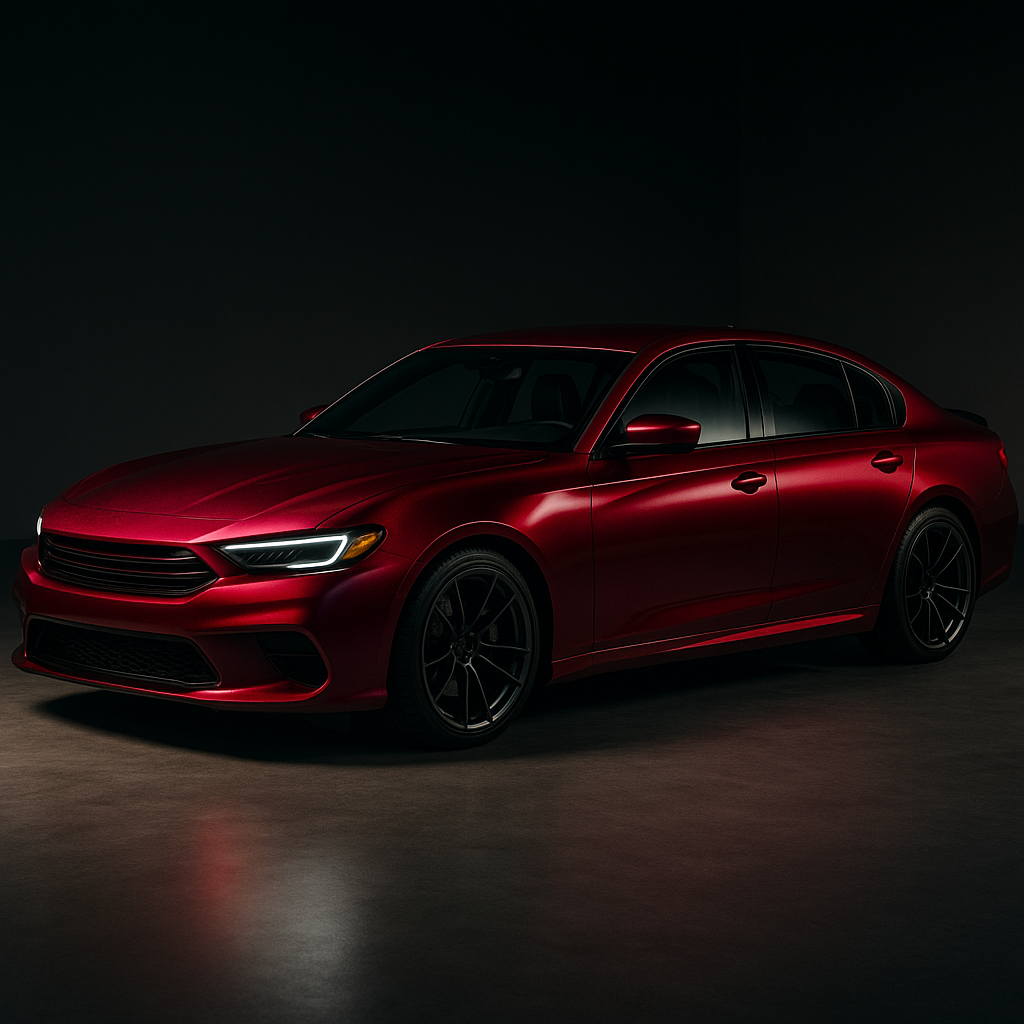
Compare partial and full vehicle wraps by cost, protection, design, and purpose so you can choose the right coverage for your car, truck, or fleet.
Partial Wrap vs Full Wrap: When Each Makes Sense for Your Vehicle
Choosing between a partial wrap and a full wrap is one of the first decisions to make before changing your vehicle’s appearance. The right option depends on your budget, design goals, driving habits, paint condition, and whether the vehicle is personal transportation or a business asset.
A partial wrap covers selected panels or sections, such as the hood, roof, doors, bumpers, or lower body. A full wrap applies vinyl across nearly every painted exterior surface, creating a completely new color, finish, or branded design. Neither option is automatically better. Each solves a different problem.
What Is a Partial Vehicle Wrap?
A partial wrap uses vinyl on specific areas rather than covering the entire vehicle. Common partial-wrap layouts include:
- Hood and roof wraps
- Racing stripes or center stripes
- Door and quarter-panel graphics
- Rocker-panel protection
- Rear-quarter advertising panels
- Bumper and mirror accents
- Two-tone roof designs
- Commercial logos and contact information
Partial wraps can be subtle or highly visible. For example, a gloss black roof can create a factory-style two-tone appearance, while a large graphic covering both doors may provide enough advertising space for a local service business.
The key is intentional design. A partial wrap should look like a finished concept, not an unfinished full wrap that ran out of material. Clean transitions, balanced graphics, and thoughtful panel placement make a major difference.
What Is a Full Vehicle Wrap?
A full wrap covers most of the vehicle’s exterior painted panels with automotive-grade vinyl. Installers typically wrap the hood, roof, doors, fenders, quarter panels, tailgate or trunk, and bumpers. Some areas, such as deep recesses, door jambs, or complex interior edges, may require additional labor or may not be included in a standard quote.
Full wraps can change the vehicle’s apparent color and finish without permanently repainting it. Popular applications include:
- Solid color changes
- Satin, matte, metallic, or textured finishes
- Full commercial vehicle graphics
- Color-blocked designs
- Printed promotional wraps
- Custom patterns and branded artwork
Because the vinyl is visible across the entire vehicle, a full wrap offers more design freedom and a more uniform result. It is often the better choice when the goal is a complete transformation or maximum advertising exposure.
When a Partial Wrap Makes More Sense
You want to control the budget
A partial wrap generally costs less because it uses less material and requires fewer installation hours. Pricing varies by vehicle size, vinyl brand, design complexity, and shop rates, but covering a hood, roof, or several panels is usually much more affordable than wrapping every painted surface.
This makes partial coverage useful when you want a visual upgrade without committing to the cost of a full color change. It can also be a practical way to start a larger project in stages, provided the design is planned from the beginning.
You like the original paint color
A partial wrap allows you to keep the factory color as part of the design. Black accents on a white car, a colored roof on a gray SUV, or contrasting door graphics on a work truck can add visual interest while preserving the vehicle’s original character.
This approach is especially effective when the factory paint is in good condition and already complements the planned vinyl color.
You need targeted protection
If certain areas receive more abuse than others, partial vinyl coverage may be enough. Rocker panels, rear loading areas, door edges, and lower bumpers are common targets for scuffs, road debris, and minor cosmetic wear.
However, vinyl wrap is not the same as paint protection film. Wrap can help shield paint from light surface abrasion and environmental exposure, but it is not designed to absorb significant rock impacts like a dedicated PPF product.
You are adding limited business branding
A small business may not need a complete commercial wrap to make a vehicle recognizable. A partial design with a logo, phone number, website, service description, and a strong color block can create useful local visibility at a lower cost.
The design should remain readable from a distance and while the vehicle is moving. Crowding too much information onto a few panels can make a partial wrap less effective than a simpler layout.
You want a reversible styling change
Partial wraps are a low-commitment way to test a finish, accent color, or graphic style. They can be removed later without changing the entire vehicle, assuming the underlying paint and vinyl were properly maintained.
When a Full Wrap Makes More Sense
You want a complete color or finish change
A full wrap is the clearest choice when you want the vehicle to look substantially different. It can convert a silver sedan to satin black, give an SUV a vibrant metallic finish, or create a consistent custom appearance across every visible panel.
Partial coverage may not deliver the same effect because the original paint remains visible around the edges. A full wrap creates continuity across the body and avoids a patchwork appearance.
You need maximum branding space
For contractors, delivery companies, mobile services, and other commercial operators, every visible panel can become an advertising surface. A full wrap provides room for large logos, service lists, phone numbers, web addresses, product images, and brand colors.
It also makes the vehicle recognizable from multiple angles. This matters when it is parked at a job site, traveling through a neighborhood, or viewed in traffic from behind and from the side.
The vehicle has mismatched or undesirable paint
A full wrap can visually unify a vehicle with faded panels, a replacement door, or a color that does not fit your branding. It does not repair dents, rust, peeling clear coat, or heavily damaged paint, but it can provide a more consistent appearance when the surface is structurally sound.
A professional installer should inspect the paint before quoting the job. Vinyl may not adhere properly to failing clear coat or contaminated surfaces, and removal can sometimes lift weak paint.
You are creating a high-impact custom design
Large illustrations, photo-quality prints, camouflage patterns, gradients, and complex color transitions need enough surface area to look intentional. Full coverage gives the designer more room to control how the artwork flows from one panel to the next.
For printed graphics, panel seams and body contours must be considered carefully. A shop with experience in vehicle-specific layout and installation can prevent faces, logos, and important text from landing in awkward locations.
You operate multiple similar vehicles
A full wrap can establish a consistent fleet appearance. Matching colors, finishes, logo placement, and contact information make several vehicles look like part of the same organization.
For fleets, consistency is often more important than choosing the lowest per-vehicle price. A standardized design can be adapted to vans, pickups, box trucks, and cars while preserving the same visual identity.
Partial Wrap vs Full Wrap: Key Differences
Cost
Partial wraps are normally less expensive because they require less vinyl and labor. Full wraps cost more, particularly on large SUVs, vans, trucks, and vehicles with complex bodywork. Ask whether the estimate includes design, removal of existing graphics, surface preparation, door edges, bumpers, and post-installation care.
Installation time
A partial wrap may be completed in a day or less, depending on the coverage and design. A full wrap commonly requires several days, including preparation, installation, trimming, and quality inspection. Exact timing varies by vehicle and shop workload.
Design flexibility
Partial wraps work best with focused concepts and clear transitions. Full wraps provide more space for continuous graphics, complete color changes, and detailed branding. Neither option guarantees a perfect result without a properly scaled design.
Maintenance and replacement
Both types of wrap should be hand-washed with mild automotive soap and protected from prolonged heat, contamination, and neglected dirt. Partial wraps may be easier and cheaper to replace if one panel is damaged. Full wraps can also be repaired in sections, but matching an aged or discontinued vinyl may be difficult.
Paint consistency
A partial wrap leaves some paint exposed, so differences between wrapped and unwrapped areas may become more noticeable over time. A full wrap offers more consistent visual coverage, though exposed edges and unwrapped jambs can still reveal the original color.
How to Choose the Right Coverage
Start by identifying the primary objective. If your goal is a small style upgrade, targeted protection, or affordable branding, a partial wrap may be sufficient. If you want a total appearance change, comprehensive advertising, or a unified fleet identity, a full wrap is usually the stronger option.
Next, inspect the vehicle’s condition. Repair dents, rust, peeling paint, and failing clear coat before installation. Then consider how long you plan to keep the vehicle, how often it is exposed to sun and road debris, and whether the design needs to work on future replacement vehicles.
Finally, preview the layout on the exact make, model, and color of your vehicle. A design that looks balanced on a generic side view may place graphics poorly around wheel arches, handles, fuel doors, sensors, and body seams.
Can You Combine a Partial Wrap With PPF?
Yes. Some owners use a partial vinyl wrap for styling or branding and add paint protection film to high-impact areas such as the front bumper, hood, mirrors, and fenders. This combination can provide stronger protection than vinyl alone, but the products and installation order should be selected with guidance from an experienced shop.
The materials have different purposes: vinyl is primarily a graphics and appearance solution, while PPF is engineered for impact and surface protection. Combining them works best when the edges, overlap, and maintenance requirements are planned in advance.
Final Decision Checklist
Choose a partial wrap if you want:
- A lower-cost visual update
- Accents, stripes, or a two-tone appearance
- Limited business branding
- Targeted coverage on high-wear panels
- A design that preserves the original paint color
Choose a full wrap if you want:
- A complete color or finish transformation
- Maximum advertising space
- A continuous custom graphic
- Consistent branding across a fleet
- Less visible contrast between wrapped panels and the original color
The best wrap is not necessarily the one with the most coverage. It is the one that matches your vehicle’s purpose, surface condition, design goals, and budget. Before ordering, have a reputable shop create a vehicle-specific mockup so you can evaluate panel transitions, logo visibility, and the finished look from every angle.
WrapMyRide AI can help you visualize partial and full-wrap concepts on your vehicle before requesting a quote. It is a useful way to compare coverage levels, colors, and branding directions with a shop or design team.