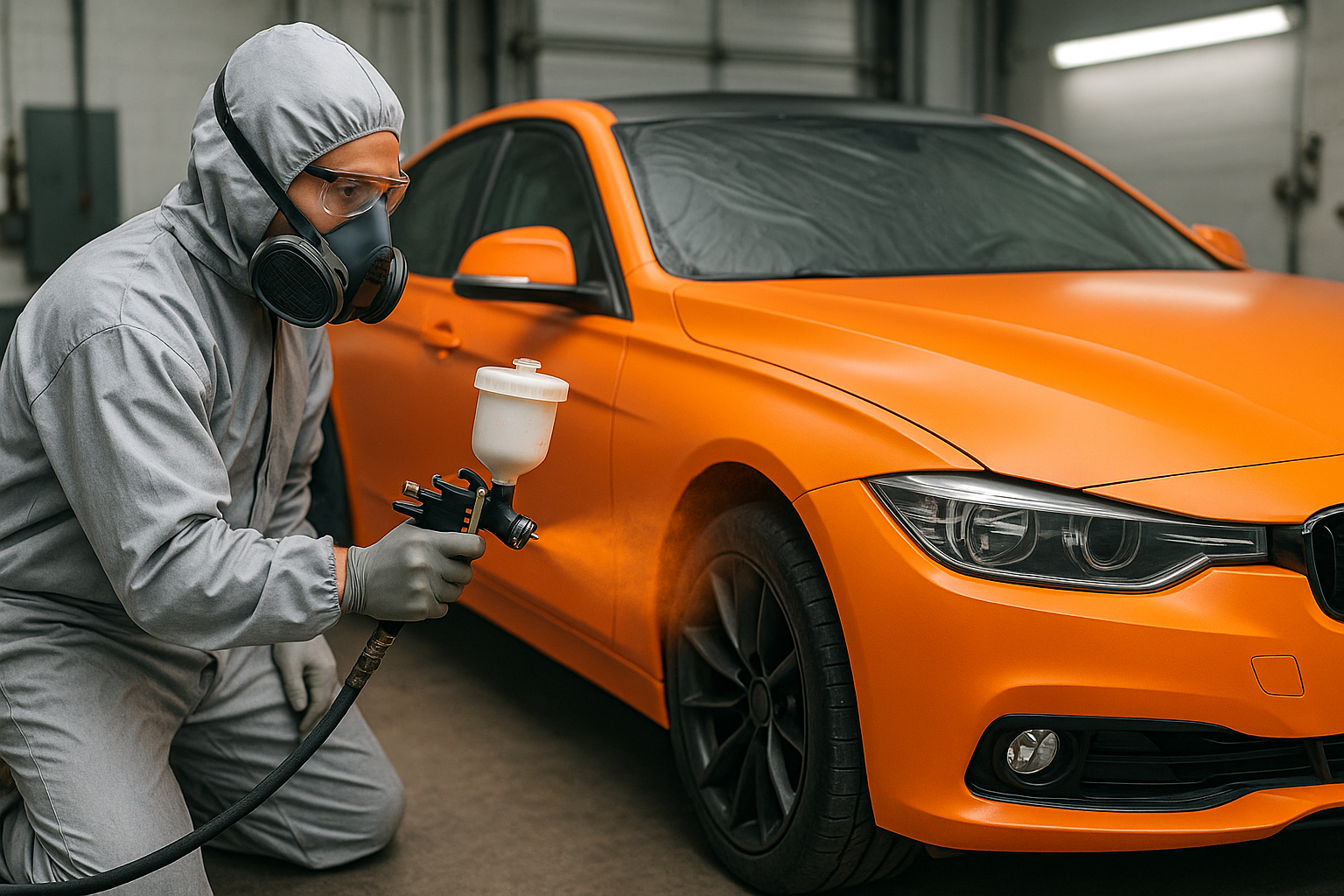
Peelable paint lets you change your car's color without permanence. Here is everything you need to know about peelable paint — what it is, how it works, how long it lasts, and what a professional application costs in 2026.
Peelable paint is one of the most intriguing options in automotive customization — it lets drivers transform their car's color completely, then return to the original finish by peeling the coating off cleanly. No paint stripping, no permanent commitment, no damage to the factory paint underneath.
This guide explains what peelable paint is, how it works, how long it lasts, and what you should expect to pay for a professional application in 2026.
What Is Peelable Paint?
Peelable paint is a rubber-based coating that is sprayed over a vehicle's existing paint and cures into a thick, flexible film. When you want to remove it, the coating peels away in large sheets — similar to peeling a protective film off a new phone screen, but for your entire car.
The most well-known peelable paint product is Plasti-Dip, a spray-on rubber coating that became popular in automotive customization around 2010. Since then, numerous brands have developed similar formulations under names like DipYourCar, Duplicolor Peel Coat, and Rust-Oleum Peel Coat.
Peelable paint is not the same as vinyl wrap. Vinyl wrap is a film applied with adhesive. Peelable paint is a coating that is sprayed on in multiple layers. Both are removable, but they behave differently and have different strengths.
How Does Peelable Paint Work?
The application process involves thoroughly washing and degreasing the vehicle, taping off windows, trim, and rubber seals, then applying multiple coats of the rubber-based spray.
Most professional applications use three to five coats. Each coat must dry before the next is applied. Thicker total application makes removal easier — a too-thin coat can tear rather than peel cleanly.
Once cured, the coating is fully flexible and bonds to the paint surface without adhesive. It does not bond chemically to the factory paint, which is why it peels off cleanly when removed.
How Long Does Peelable Paint Last?
Peelable paint typically lasts one to three years under normal conditions. Longevity is affected by several factors.
Climate matters significantly. Vehicles in states with intense UV exposure, like Arizona, Texas, and Florida, see coating degradation faster than vehicles in milder climates. The rubber-based compound breaks down under prolonged UV bombardment, becoming brittle and difficult to remove cleanly after two or more years.
Number of coats matters. A thicker application holds up longer and peels more cleanly when removed. Thin, rushed applications may begin lifting at the edges within months.
Car wash method affects longevity. Automatic brush car washes can catch edges of the coating and begin to peel or tear it prematurely. Hand washing or touchless washes are recommended for vehicles with peelable paint.
Storage conditions matter. Vehicles parked outdoors year-round degrade faster than those in garages.
In optimal conditions — a climate with mild UV, careful washing, and garage storage — some owners report peelable paint lasting up to five years before it needs to be reapplied or removed.
How Much Does Peelable Paint Cost in 2026?
Cost depends on whether you go DIY or hire a professional installer.
DIY peelable paint with spray cans (Plasti-Dip aerosol) costs approximately $200–$400 in materials for a full car. Each can covers a limited area, so full car applications require many cans. Application quality varies significantly with DIY — thin spots, runs, and uneven coverage are common for first-time applicators.
Professional spray gun application using bulk peelable paint products costs $500–$2,000 for a full vehicle depending on vehicle size, number of coats, and the shop's rates. Professional application produces significantly more even results and thicker coverage that peels cleanly.
For comparison, a professional vinyl wrap for the same vehicle costs $2,500–$6,000 and lasts longer — but does not offer the tactile appeal of a rubber coating or the simple removal process.
Peelable Paint vs Vinyl Wrap: Which Is Better?
Peelable paint and vinyl wrap are both reversible color change options, but they serve different customers.
Peelable paint is better if you want the lowest possible cost for a full color change, want a DIY-friendly option, or plan to change colors frequently. The rubber texture of peelable paint also creates a distinct matte finish that some enthusiasts specifically prefer.
Vinyl wrap is better if you want more color and finish variety, need a longer-lasting result, want better UV protection for the underlying paint, or want to include graphics and designs.
How to Preview Peelable Paint Before You Apply It
Before committing to any color, you can use AI visualization tools like WrapMyRide AI to upload a photo of your own car and preview what different colors will look like on your real vehicle. This is especially valuable for bold peelable paint choices — electric blue, matte orange, or flat military green — where seeing the result on your actual car prevents buyer's remorse.