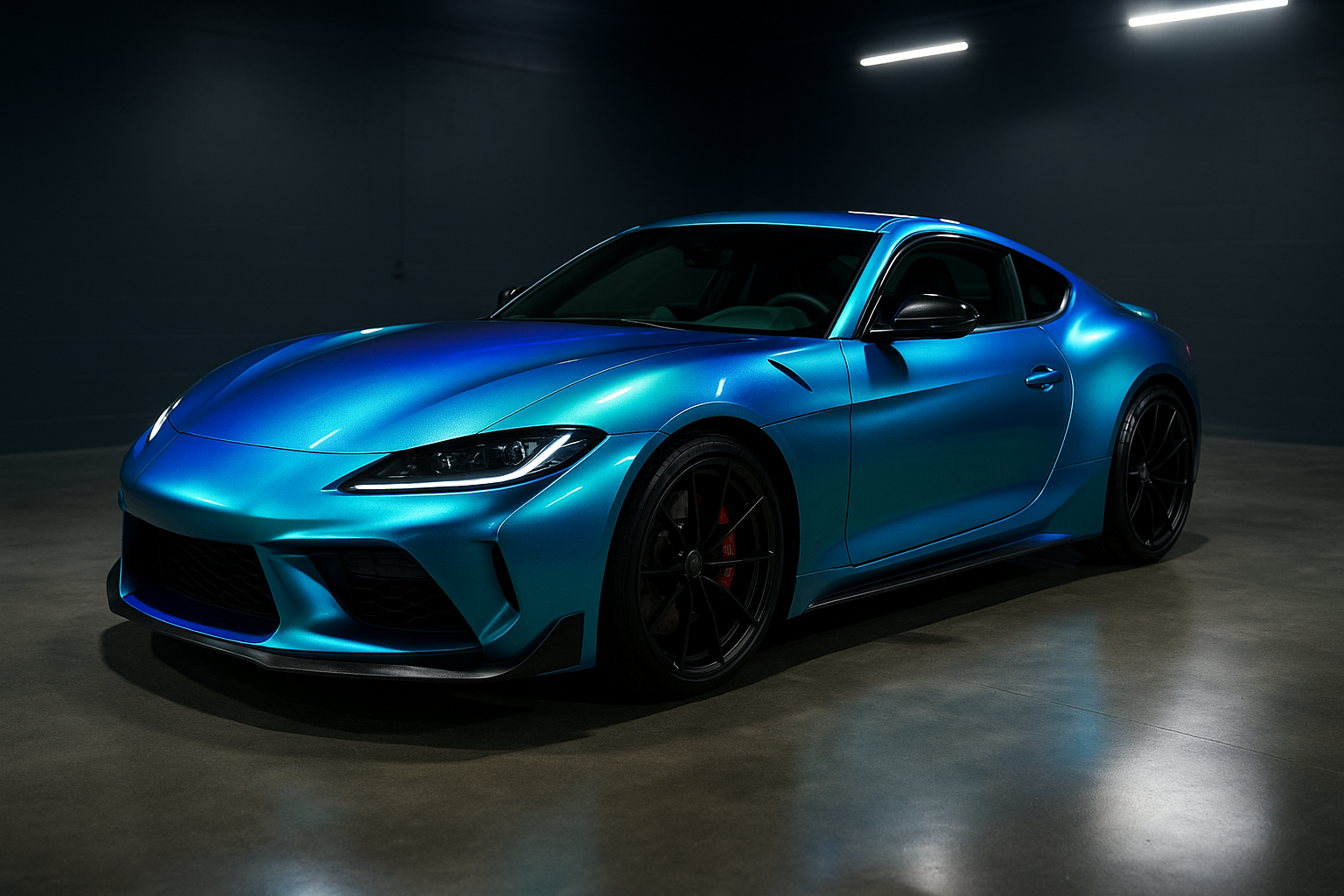
Discover how AI-powered preview tools are helping wrap shops reduce rework, improve design accuracy, and boost profit margins. Learn how wrapmyride.ai helps eliminate costly installation mistakes before they happen.
The Hidden Cost of Rework in the Vehicle Wrap Industry
Every wrap shop knows the sting of rework. A design that doesn’t fit properly, a misaligned logo, a color mismatch — all can turn a profitable job into a financial setback. Beyond the wasted materials and labor, rework also costs credibility and time.
In an industry where precision and presentation define success, even minor mistakes can ripple into major expenses. Vinyl wasted in test prints, extra hours spent peeling and reapplying panels, or entire jobs redone because the customer didn’t visualize the final look correctly — it all adds up.
The solution lies in better planning and visualization. That’s where AI-powered preview tools, like wrapmyride.ai, come in. By simulating the exact wrap on the customer’s vehicle before production begins, shops can drastically reduce errors, save time, and deliver more consistent results.
Why Rework Happens: Common Points of Failure
Rework isn’t always due to installer error. More often, it’s the result of gaps in communication or misalignment between design, client expectation, and real-world installation conditions. The most common causes include:
- Incorrect scaling or proportion: The design fits the screen, but not the vehicle’s contours.
- Color inaccuracies: What looks right on a digital monitor doesn’t always match printed vinyl or lighting conditions.
- Logo and text placement issues: Elements placed over seams, curves, or handles can distort or disappear.
- Customer miscommunication: The client’s mental image doesn’t match the actual outcome.
- Missed material or finish differences: Gloss, matte, and metallic films all interact differently with light, altering perception.
These issues typically appear after printing or installation — when it’s too late to make small adjustments. A single project requiring a full reprint can easily eat into a week’s profit margin.
The Evolution of Preview Technology in Wrap Design
In the early days of the wrap industry, visualization tools were rudimentary. Designers relied on flat templates and Photoshop mockups to demonstrate concepts. These previews lacked depth and scale, leaving clients to imagine how the wrap would look in real life.
Today, AI visualization technology has changed everything. Platforms like wrapmyride.ai use advanced image segmentation and 3D mapping to apply colors, textures, and designs directly to real vehicle photos. The result is a hyper-realistic preview that shows every curve, reflection, and contour accurately.
This evolution means that both designers and clients can see — not imagine — the final wrap before committing to print. The gap between concept and execution is virtually eliminated, making miscommunication and costly surprises a thing of the past.
How Preview Tools Reduce Rework at Every Stage
Design AccuracyAI preview tools ensure that the design aligns perfectly with the vehicle’s make, model, and trim. By overlaying graphics on the actual photo, designers can instantly spot and correct proportion issues, logo placement problems, and alignment inconsistencies.
Client Approval ConfidenceWhen clients can visualize their car or fleet wrapped exactly as it will appear in reality, they’re far more confident in approving designs. This eliminates the back-and-forth of revisions that often lead to rushed or unclear approvals.
Color ValidationWhat appears as a deep navy on-screen may print as black or purple on vinyl. Preview tools allow side-by-side comparisons of color options under simulated lighting conditions, helping ensure clients get exactly the tone they expect.
Installer PreparationAccurate previews give installers better insight into panel transitions, seam placements, and tricky wrap zones. This foresight minimizes stretching, trimming, or repositioning mistakes — all of which reduce waste and save labor hours.
Reduced Test PrintsTraditional wrap workflows rely on test swatches or partial prints to confirm color and alignment. With AI previews, these steps are often unnecessary, saving both material costs and setup time.
By addressing the root causes of rework — miscommunication, misalignment, and misrepresentation — preview tools improve every stage of the process, from pitch to post-installation.
The Business Case: How Reducing Rework Impacts Profit
Let’s quantify it. A typical wrap job might cost a shop:
- $300–$600 in materials
- $400–$1,000 in labor
- $150–$400 in design time
If even one in ten jobs requires a partial reprint or redo, the annual cost of rework could exceed $15,000–$30,000 for a small shop. Larger shops with higher volume face proportionally greater losses.
By contrast, AI preview technology reduces those risks substantially. When customers know what to expect and installers know exactly what to execute, approval rates rise and rework nearly disappears.
Shops that implement preview systems report measurable improvements:
- 40% fewer design revisions
- 25% faster client approvals
- Up to 50% reduction in material waste
- Higher customer satisfaction and repeat business
In short, preview tools aren’t just creative assets — they’re financial ones.
Real-Time Visualization: The New Standard for Customer Experience
Modern customers expect personalization and transparency. They don’t want to imagine; they want to see. AI-powered preview tools transform the buying experience from abstract to interactive, making clients part of the creative process.
When customers can upload their vehicle photo to wrapmyride.ai, try different colors, textures, and finishes, and visualize the results instantly, they become emotionally invested in the outcome. That buy-in not only increases approval speed but also boosts satisfaction after delivery.
It’s a win-win for both sides: the shop avoids costly rework, and the customer feels confident that what they ordered is exactly what they’ll get.
Reducing Rework Through Collaboration
Communication between designer, installer, and customer is the glue that holds a project together. Preview tools act as the universal language between them.
Instead of sending static PDFs or screenshots, teams can now share interactive previews that show the actual wrap in motion — accounting for reflections, curvature, and proportion. This shared visual reference reduces subjective interpretation and creates a common standard for success.
Even more, preview tools create digital documentation of approvals. When a client signs off on a preview generated by wrapmyride.ai, both sides have a visual contract of what “approved” looks like. This minimizes disputes and ensures accountability if adjustments are needed.
Redefining Workflow Efficiency
The best shops treat time as their most valuable resource. Preview tools integrate seamlessly into the workflow, removing friction points that typically slow down production.
- Before printing: Designers validate layouts with instant visual feedback.
- Before instal