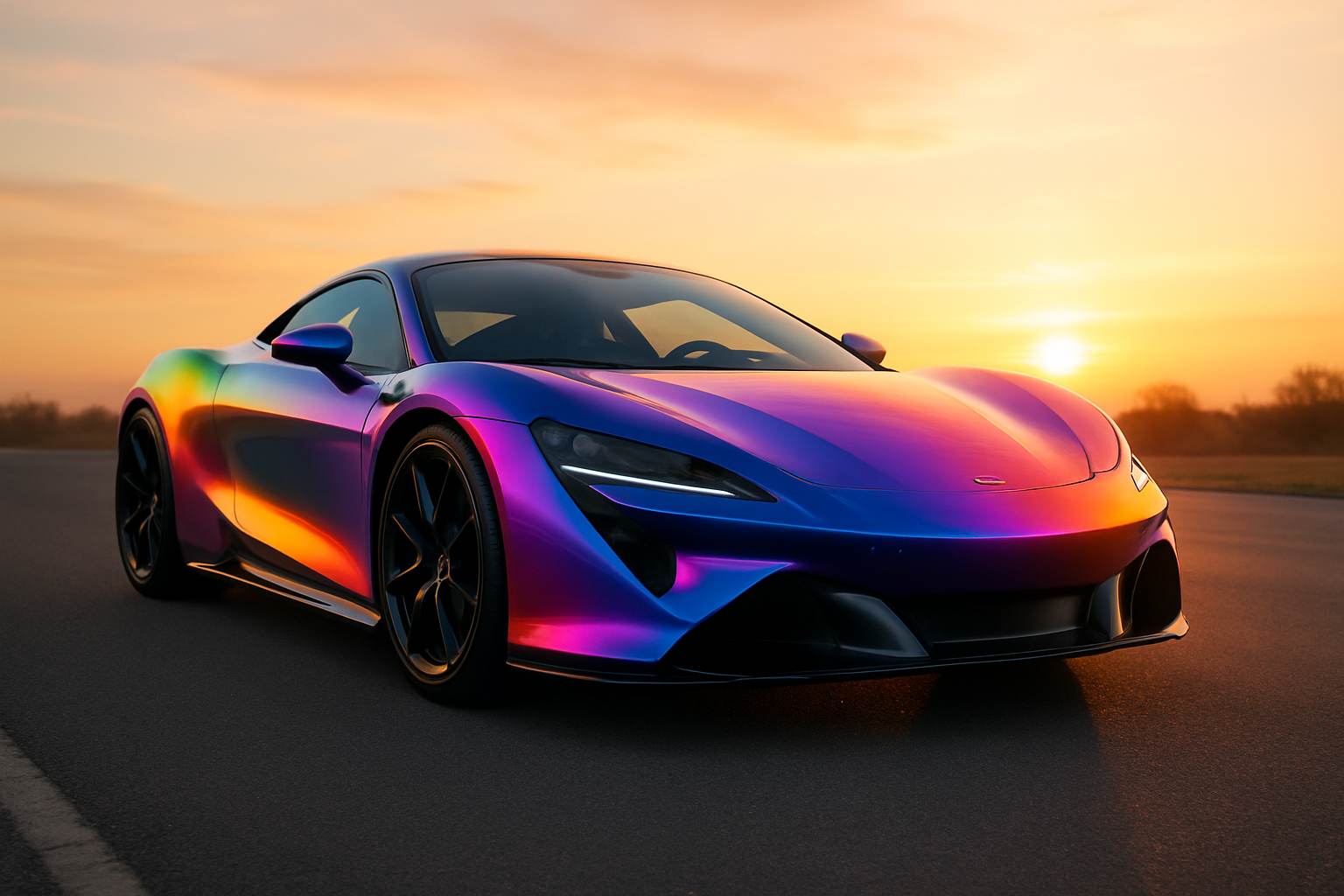
Digital retailing and configurators are transforming how automotive accessories are discovered, evaluated, and purchased. Visualization is becoming the foundation of modern accessory sales.
The automotive industry is entering its next evolution in consumer experience. The dealership experience has shifted online. The point of discovery has moved to digital retailing platforms. Accessories and customizations once introduced at the showroom are now evaluated long before a buyer steps into a dealership. As retail behavior changes, visualization becomes the foundation for how automotive accessories will be sold in the future.
Accessories have always been about personalization, expression, and identity. Yet accessories have historically been sold through lists, catalogs, scripts, and displays rather than imagery. Buyers often needed imagination to evaluate accessories. Imagination is friction. Friction suppresses conversions. Visualization removes friction and increases adoption. The future of automotive accessories is therefore visual.
Digital Retailing Requires Visual Product ExperienceThe automotive purchase journey has moved upstream into digital channels. Buyers browse online. They compare trims online. They evaluate financing online. They explore OEM configurations online. Accessories must follow the same path. Digital retailing is not just transactional. It is experiential. Buyers need to see what they are buying.
Wheels, tint, wrap, PPF, badges, interior upgrades, and performance accessories are visual items. Consumers make decisions visually. Digital retailing has conditioned consumers to configure. Accessories must become part of that configuration experience to stay relevant.
Configuration Is Becoming the Standard for High-Consideration PurchasesHigh-consideration purchases benefit most from visualization. Buyers want control. They want finality. They want certainty. The more customization a product offers, the more visualization is required. Automotive accessories are among the most customizable consumer products available. A vehicle can be configured across color, finish, texture, material, performance, software, and branding. Visualization becomes the interface for these decisions.
The OEM InfluenceOEMs have invested heavily in their configurators. Tesla, Porsche, BMW, Rivian, Ford, and Mercedes have transformed the configuration experience. Buyers expect that level of visualization when considering additional accessories. OEM configurators train consumers to make visual decisions. The accessory market must respond.
The Line Between OEM and Aftermarket Will BlurAs configurators mature, the distinction between OEM accessories and aftermarket accessories will fade. The buyer cares about compatibility, aesthetics, quality, and convenience more than supply chain origin. Visualization allows both OEM and aftermarket products to be presented side-by-side. The market will reward the accessories that present best visually.
Dealerships Benefit From VisualizationDealerships operate at the intersection of consumer psychology and transaction execution. Accessories convert best during the delivery window. Visualization increases attachment rates by giving buyers confidence. Buyers want to know how wraps, tint, wheels, or blackout packages will appear on their vehicle. When the buyer sees it visually, the decision becomes real. The F&I desk benefits from this clarity.
Marketplaces Need Visualization to ConvertMarketplace models are emerging in wheels, detailing, PPF, wraps, tint, ceramic coatings, and custom automotive services. Marketplaces thrive on liquidity and conversion. Visualization increases conversion by turning browsing into intent. Without visualization, marketplaces become directories. Directories are not transaction engines. Visualization transforms directories into commerce.
Fleet Buyers Rely on StandardizationFleet buyers evaluate accessories differently from consumers. Fleets care about brand consistency, regulatory compliance, lifecycle cost, and procurement efficiency. Visualization allows fleet buyers to compare accessories across multiple vehicle types. Commercial branding, commercial wraps, and commercial accessories depend on visualization to accelerate approvals and procurement.
Commercial Buyers Treat Vehicles as AssetsBusinesses treat vehicles as revenue assets or advertising assets. Visualization allows businesses to justify and rationalize accessory investments. Commercial wraps, PPF, and branding products benefit from configuration because configuration turns the vehicle into a model of future commercial value.
Rental and Subscription Models Benefit From Visual DifferentiationRental fleets and subscription fleets are adopting wraps and accessories to differentiate categories, pricing tiers, and brand identity. Visualization allows these companies to test visual differentiation strategies before physical deployment. In a subscription model where vehicles change hands frequently, visualization becomes as important as inventory management.
Visualization Eliminates Imagination-Based FrictionEvery accessory that relies on imagination introduces friction. Friction reduces conversions. Buyers who cannot visualize a result will default to conservative decisions. Visualization removes ambiguity and accelerates decision-making. In modern retail, the companies that remove friction capture the most value.
The Rise of Configurators and Visual CommerceE-commerce has proven that visual commerce drives sales. Fashion requires visual try-on. Furniture requires spatial placement. Home improvement requires rendering. Automotive requires configuration. The accessory category is simply following an existing consumer trend. The more consumers interact with configurators, the more configurators will become required.
AI Changes the Economics of VisualizationAI-powered visualization changes the economics of configuration. Traditional configurators require model libraries, render pipelines, UV mapping, engineered textures, and complex interfaces. AI visualization compresses those development costs. Systems like wrapmyride.ai reduce technical overhead to minutes instead of years. This eliminates cost barriers and accelerates adoption across dealerships, marketplaces, fleets, and platforms.
Accessory Choices Will Shift UpstreamThe shift toward digital retailing means accessory decisions will move upstream. Instead of making decisions after a vehicle is purchased, buyers will configure accessories during or before transaction. Upstream decision-making increases attachment rates and raises accessory revenue per vehicle. Visualization makes upstream decisions possible.
Dealers Become Customization PlatformsDealers that adopt visualization become customization platforms rather than inventory outlets. Buyers view the dealership as the starting point for personalization. Dealers who fail to adopt visualization will sell vehicles while others sell identity. Identity generates margin. Margin generates competitive advantage.
OEMs Will Ultimately Formalize Accessory EcosystemsOEMs will eventually formalize accessory ecosystems. As configurators expand