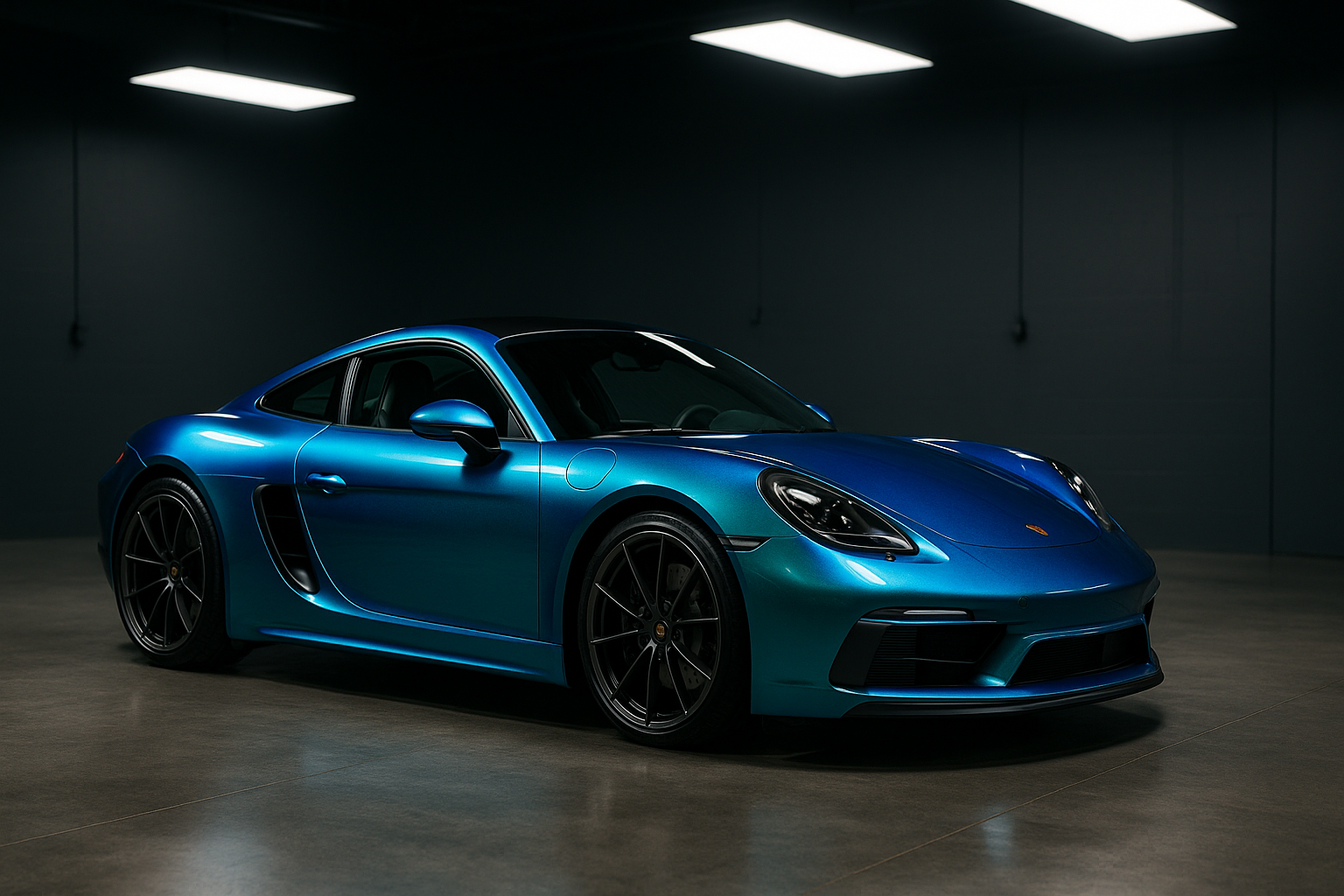
Dealerships can unlock a profitable accessory category by offering wraps, graphics, and branding as pre-delivery products. Visualization and configuration tools make wraps a scalable margin engine for F&I and commercial sales.
Every dealership relies on accessory sales to boost margin and enhance the delivery experience. Tint, wheels, warranties, and paint protection have traditionally dominated the accessory stack. The next category entering the dealership ecosystem is vinyl wraps. Wraps represent a profitable accessory class that dealerships have not historically embraced, largely because buyers needed visualization before committing. Now that visualization tools exist, the accessory economics of wraps shift in favor of the dealership.
Wraps Are More Than ColorWraps are not just color changes. They are personalization products, identity products, lifestyle products, and commercial products. Wraps allow buyers to express individuality, build brand visibility, or create commercial value. This makes wraps behave differently from commodity accessories. They are discretionary, aspirational, and emotional. Accessories with these characteristics convert best at the point of sale.
Dealerships Benefit From Accessory Margin, Not InventoryDealerships need profitable accessory categories that do not require inventory risk. Wheels require stocking. Tires require stocking. Performance parts require stocking. Wraps do not. Wraps can be fulfilled through installation partners without carrying inventory. Dealers gain revenue without tying up capital in physical assets.
High Margin and Low Operational OverheadWraps offer strong margin potential. Retail pricing for wraps varies from a few thousand dollars for consumer wraps to tens of thousands for commercial wraps, depending on complexity and vehicle type. Installation can be outsourced. Procurement cycles are short. Buyers are motivated during the delivery window. Few accessory categories combine margin, convenience, and customization as efficiently as wraps.
The Psychological Window for UpsellDealers know that the buyer’s emotional commitment peaks between purchase and delivery. Accessories convert best during that window. Warranties, tint, wheels, and cosmetic upgrades all benefit from that psychology. Wraps benefit even more because wraps are personal and visual. A configurator surfaces that emotion. Buyers can see what the vehicle will look like. Once the buyer sees it, the decision is easier to commit to.
Commercial and Fleet Buyers Expand the OpportunityDealers increasingly serve commercial accounts. Fleet buyers, small business owners, and corporate accounts rely on vehicles as branding assets. Commercial wraps allow dealers to convert vehicles into marketing devices for clients. A commercial upfit that once stopped at shelving, ladder racks, and tool mounts can now include branding. This increases attachment value without adding operational complexity.
Brand Visibility Turns Vehicles Into AdvertisingCommercial wraps generate brand impressions for businesses. For companies, the vehicle becomes a mobile advertisement. Dealers that integrate wraps into commercial sales unlock accessory revenue that aligns with business buyer incentives. Businesses already view the vehicle as a cost center. A wrap converts that cost center into a marketing asset. Dealers can position wraps as a strategic investment rather than a discretionary purchase.
The F&I AdvantageF&I desks benefit from products that are easy to explain, easy to justify, and easy to visualize. Wraps meet all three. Visualization tools eliminate buyer confusion. Installation occurs pre-delivery, eliminating downtime and logistics for the buyer. The F&I desk becomes the point of commitment rather than the point of discovery. Buyers arrive with decisions influenced by configurators before paperwork begins.
Dealers Do Not Need to Become InstallersDealers do not need to build wrap divisions. They simply need to build wrap pipelines. Certified wrap shops can handle fulfillment. Dealers gain revenue and differentiation. Shops gain volume and consistency. This collaboration creates an ecosystem where both parties benefit. wrapmyride.ai functions as the bridge between discovery and fulfillment.
The EV Market Accelerates Wrap AdoptionElectric vehicles are accelerating wrap adoption. EV buyers think differently about customization. They care about aesthetics, brand alignment, and future resale. Wraps allow EV owners to refresh vehicles without repainting. Dealers offering EVs can capture wrap revenue as part of the accessory mix. For EV buyers, wraps are becoming a default personalization option.
Residual Value and Lifecycle ExtensionsWraps can extend the visual lifecycle of a vehicle, especially for fleets and commercial users. Businesses rotate vehicles. Fleets decommission and resell vehicles. A wrap can protect paint and improve resale appearance. Dealers can position wraps as both an upgrade and a preservation asset. This dual-use case increases buyer justification.
Digital Retailing and Online ConfigurationThe shift toward digital retailing is reshaping the dealership workflow. Buyers increasingly configure vehicles online before visiting a showroom. Accessories must become part of that configuration experience to maintain relevance. Visualization tools allow wraps to become a natural extension of the digital journey. Buyers can explore wrap options before setting foot in the dealership. The F&I desk becomes a closer rather than an educator.
OEM Opportunity and Brand AlignmentOEMs have historically avoided personalization that disrupts brand identity. The market is changing. Performance brands and EV brands are embracing customization. Dealers can lead that shift locally. Wraps are reversible and do not alter the vehicle permanently. OEMs may eventually recognize wraps as a brand-aligned accessory category. Dealers who adopt early gain position before OEMs formalize programs.
Why It Has Not Happened Until NowDealers did not adopt wraps earlier due to friction. Buyers had to imagine the vehicle wrapped. Shops had to wait for commitment before designing. There was no scalable configuration tool. There was no easy fulfillment pipeline. Visualization solves these bottlenecks. With wrapmyride.ai, buyers can see the wrap in seconds and commit before delivery.
The Unit Economics Favor DealersUnit economics for wraps are compelling. A single wrap can generate significant gross accessory revenue. The operational cost to the dealership is minimal. Installation can be outsourced. Rework and warranty risk are low relative to performance parts or electronics. For dealers with commercial sales, the unit economics scale across fleets.
The New Accessory MixDealers are evolving from transactional sales to platform sales. The accessory mix is expanding beyond legacy warranties and tint. The next wave of accessories will be visual, configurable, and experiential. Wraps meet all three criteria. Dealers who adopt wraps early can dominate the next accessory cycle.
ConclusionWraps represent an untapped profit center for dealerships. The accessory margins are strong. Buyers are emotionally motivated at the po