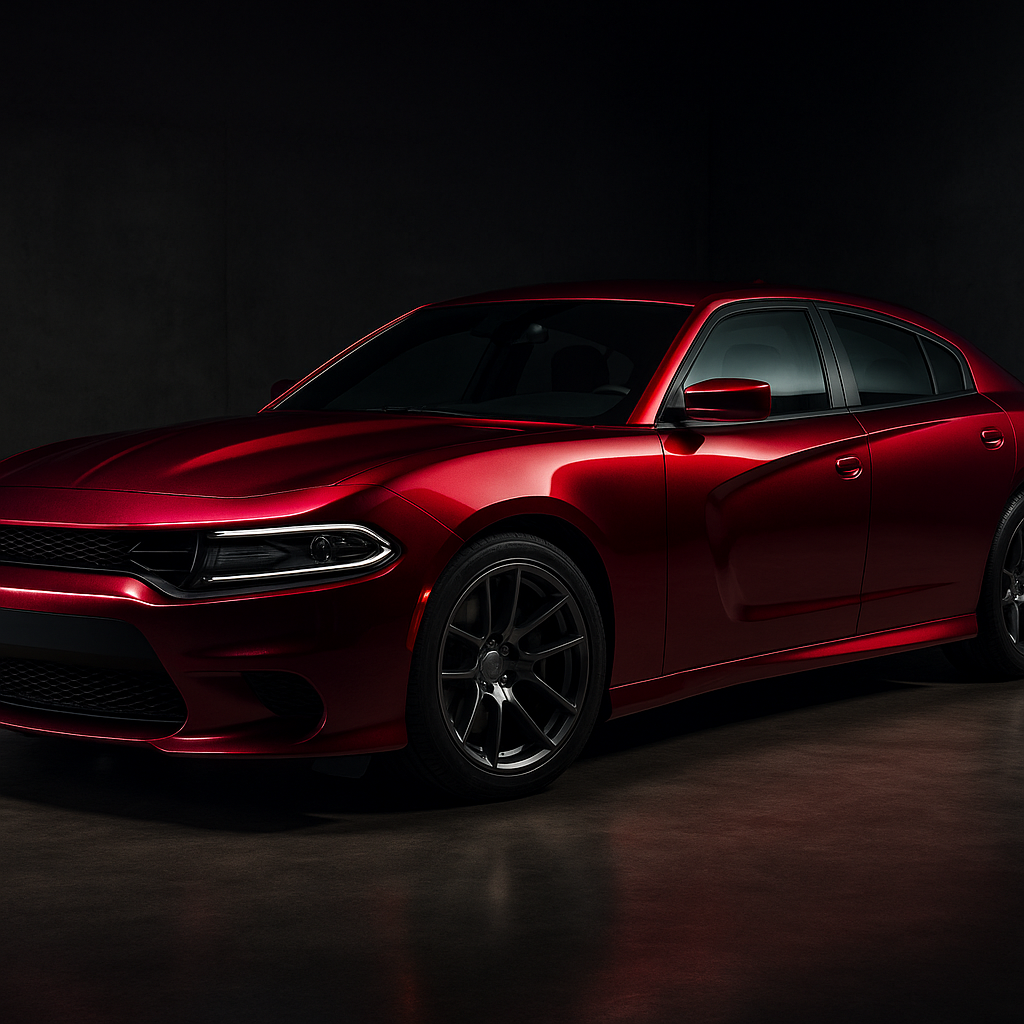
A full color change wrap can cost $2,500 to $7,500 or more in 2026. Learn what drives the price and how to compare quotes.
The True Cost of a Full Color Change Wrap in 2026
A full color change wrap typically costs between $2,500 and $7,500 in 2026, with premium vehicles, complex bodywork, and high-end materials pushing the total above $10,000. The price is not determined by vinyl alone. Labor, vehicle size, surface preparation, design choices, material quality, removal, and local market rates all affect the final invoice.
A color change wrap covers most of the vehicle’s painted exterior with a new vinyl finish. Unlike a partial graphic or business logo installation, a full wrap requires extensive disassembly, precision cutting, edge finishing, and visual consistency across the entire vehicle. Understanding these cost components makes it easier to compare quotes and avoid choosing a shop based only on the lowest advertised price.
Average Full Color Change Wrap Prices in 2026
The following ranges are useful starting points for a professionally installed wrap in the United States:
- Compact car or small coupe: $2,500–$4,000
- Midsize sedan: $3,000–$4,500
- Small SUV or crossover: $3,500–$5,000
- Large SUV, truck, or van: $4,000–$6,500
- Luxury, exotic, or highly contoured vehicle: $5,500–$10,000+
These figures generally include standard cast vinyl, professional installation, and ordinary preparation. They may not include paint repair, extensive trim removal, custom graphics, ceramic coating, old wrap removal, or sales tax.
Some shops advertise full wraps starting around $2,000, but low prices may reflect limited coverage, economy material, minimal disassembly, inexperienced labor, or a vehicle that is unusually easy to wrap. A credible quote should clearly state what panels are covered and what services are included.
What You Are Paying For
Vinyl material
A full color change usually requires approximately 50 to 75 linear feet of vinyl, depending on vehicle dimensions, panel size, waste, and the installer’s workflow. Material prices vary significantly by brand, finish, warranty, and availability.
Standard gloss, satin, and matte films are often less expensive than specialty finishes. Metallic, color-shifting, textured, carbon-fiber-style, and limited-production films can add several hundred dollars to the material portion of the project. Premium cast films generally cost more than economy alternatives but are easier to conform to curves and are less likely to fail prematurely when installed correctly.
Material is only part of the total cost. A shop must also account for design planning, cutting, waste, storage, surface preparation, and installation time. Using a cheaper roll does not necessarily make the project cheaper if the film is difficult to work with or needs to be replaced during installation.
Labor and installation time
Labor is usually the largest cost in a professional color change wrap. Depending on the vehicle, installation can require two to five working days. Large vehicles, complex bumpers, recessed areas, door handles, mirrors, roof rails, and aggressive body lines increase the time required.
A quality installation may involve removing badges, lights, handles, moldings, mirrors, trim pieces, and other components. Some shops do not remove every part because removal can create breakage or affect factory clips. The important issue is whether the agreed level of disassembly matches the appearance you expect.
Visible edges, door jambs, fuel doors, hatch openings, and wrapped interior edges require additional labor. A basic exterior wrap may leave factory color visible inside door jambs and under the hood. A more complete color conversion costs more because the installer must reach areas that are not normally visible from outside.
Vehicle size and body complexity
Size affects both the amount of vinyl used and the number of hours needed for installation. A compact two-door car has fewer large panels than a full-size SUV, pickup truck, or passenger van. Trucks can also require separate pricing for beds, bed rails, tailgates, bumpers, and difficult corners.
Body shape matters as much as size. A vehicle with simple, flat panels is generally faster to wrap than one with deep recesses, sharp creases, split bumpers, wide fender flares, or exposed aerodynamic parts. Luxury and exotic cars often cost more because of intricate panel shapes, expensive trim, delicate paint, and the need for extremely consistent seams.
Common Add-On Costs
Existing wrap removal
Removing an old wrap commonly adds $500–$1,500, although the price can be higher if the film is aged, brittle, heavily sun-baked, or bonded to damaged paint. Removal may reveal adhesive residue, paint discoloration, or previous repairs that require further work.
Ask whether removal is included in the quote or priced separately. If you are replacing an existing wrap, schedule an inspection before assuming the underlying surface is ready for new vinyl.
Paint correction and surface preparation
Vinyl requires a smooth, clean, and well-bonded surface. A shop may charge extra for adhesive removal, tar and sap treatment, paint correction, rust treatment, or correction of loose trim. Minor chips may not need repair, but peeling clear coat, bubbling paint, rust, and failing bodywork can prevent a reliable installation.
Paint correction can range from $150 for light polishing to well over $1,000 for significant correction or preparation. Wrap vinyl does not hide every defect. In fact, thin films can make dents, sanding marks, and uneven repairs more noticeable under certain lighting.
Door jambs and interior edges
A standard full wrap normally covers exterior painted panels but may stop at the door edges. Wrapping door jambs can add approximately $500–$1,500 or more, depending on the vehicle and the amount of disassembly required. The result looks more complete when the doors are open, but it requires extra material and labor.
If you are changing from a light factory color to a very dark color, ask the shop how much of the original color will remain visible. Many owners accept factory-colored jambs, while others want a near-total color conversion.
Custom graphics and accents
A solid color change is usually less expensive than adding stripes, logos, patterns, racing graphics, contrasting roof panels, or custom printed elements. Graphics require design time, proofing, additional cutting, and installation planning.
Expect custom design work to add $200–$2,000 or more depending on complexity. Printed full-vehicle designs can exceed that range because they involve artwork preparation, proof approvals, printing, lamination, panel matching, and installation.
Protection and maintenance products
Some shops offer ceramic coatings designed for vinyl, post-installation sealants, or paint protection film on high-impact areas. These services can add $300–$2,000 or more. They may make cleaning easier and help protect the finish, but they do not eliminate the need for proper washing and care.
Why Quotes Differ Between Shops
Two reputable shops can quote different prices without either one being unreasonable. They may use different vinyl brands, offer different warranty terms, include different levels of disassembly, or have different labor rates. Rent, insurance, technician experience, demand, and regional operating costs also influence pricing.
A quote should identify the film brand and product line, color or finish, coverage area, estimated timeline, warranty, preparation included, removal charges, and payment terms. Ask whether the shop will wrap edges where practical, how it handles sensors and cameras, and what happens if the paint has previous damage.
Be cautious when a quote is dramatically lower than several comparable estimates. Possible explanations include a sale, a newer shop building its portfolio, or a lower-overhead operation. However, it can also indicate economy film, rushed preparation, limited coverage, or insufficient labor. Reviews and completed project photos are important, but close-up images of edges, corners, and door jambs are even more useful than distant vehicle photos.
Is a Color Change Wrap Worth the Cost?
A wrap can be worthwhile when you want a reversible appearance change, a distinctive finish, or temporary personalization without permanently repainting the vehicle. It may also help preserve the original paint from ordinary exposure when the paint is healthy and the film is maintained properly.
The financial value depends on how long you plan to keep the vehicle and how well you care for the wrap. Most quality color change films can last roughly three to seven years under suitable conditions, but climate, storage, washing habits, film color, and installation quality affect actual lifespan. Vertical panels generally last longer than roofs and horizontal surfaces exposed to intense sunlight.
A wrap is not a substitute for repairing failing paint, and it should not be treated as a permanent bodywork solution. Before approving the job, make sure the vehicle is a good candidate and understand the expected removal process at the end of its service life.
How to Get an Accurate 2026 Quote
Start by requesting quotes from at least three experienced installers. Provide the exact year, make, model, current paint condition, desired finish, and whether you want door jambs or other interior edges included. Photos can help, but an in-person inspection is better for identifying chips, peeling clear coat, dents, and previous film.
Compare the total project scope rather than the headline price. Confirm the film warranty, workmanship warranty, care instructions, turnaround time, deposit, and what is excluded. Also ask to see recent examples using the same type of film and on a similarly complex vehicle.
A realistic budget for a well-executed full color change in 2026 is often around $3,500–$6,000 for an ordinary sedan, crossover, or light truck. Planning for additional preparation or premium materials can prevent surprises and help you choose a shop based on quality instead of price alone.
Before committing, you can use WrapMyRide AI to visualize different colors and finishes on your vehicle, making it easier to narrow down options and have a more productive conversation with a professional installer.