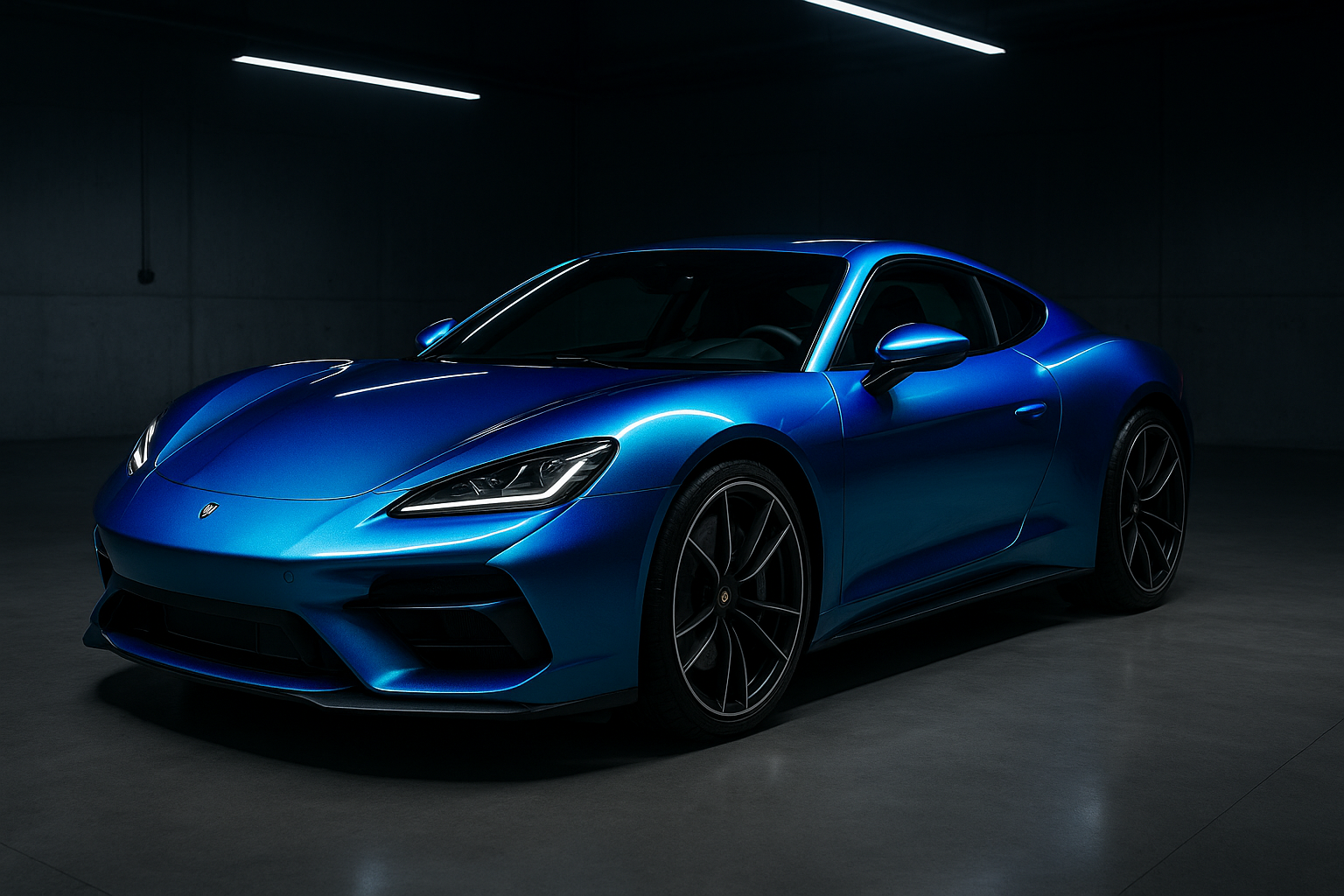
Vinyl wrap vs paint — which is the smarter choice for your car in 2026? We break down cost, durability, customization options, resale value, and how to preview either option before you commit.
Vinyl wrap vs paint is one of the most searched questions in automotive customization. When it comes to changing the look of your car, you have two main options: a full vinyl wrap or a traditional paint job. Both can completely transform a vehicle, but they differ dramatically in cost, durability, reversibility, and customization options.
This guide covers everything you need to know to make the right choice in 2026.
What Is a Vinyl Car Wrap?
A vinyl car wrap is a large adhesive film applied directly over a vehicle's existing paint. Installers use heat guns and squeegees to stretch the material smoothly around body panels, mirrors, bumpers, and trim.
Vinyl wraps are fully removable. When you are ready for a change, the wrap peels off without damaging the original paint underneath. Modern materials come in thousands of finishes including matte, gloss, satin, brushed metal, color-shift, chrome, and paint protection film.
What Is a Traditional Paint Job?
A traditional paint job involves sanding the existing surface, applying primer, spraying multiple layers of base coat, adding clear coat, and polishing to a final finish. Paint is permanent. Reversing it requires stripping and repainting, a process that costs as much or more than the original.
Vinyl Wrap vs Paint: Cost Comparison
A professional vinyl wrap for a standard car typically costs between $2,500 and $6,000. SUVs and trucks run $4,000 to $10,000. Price depends on material quality, vehicle size, and design complexity.
A professional paint job for a full color change runs $3,000 to $15,000 at a reputable shop. Budget chain shops offer jobs starting around $500, but these use single-stage paint and fade quickly. A truly excellent custom paint job can exceed $20,000.
For most customers wanting a clean color change, vinyl wrap is significantly more affordable than comparable-quality paint.
Durability: How Long Does Each Last?
High-quality vinyl wrap from brands like 3M, Avery Dennison, or KPMF typically lasts five to seven years with proper care. Premium paint protection film wraps last even longer.
A professional paint job can last decades if maintained consistently. However, chips, scratches, and UV fading are common over time without regular waxing or ceramic coating.
In day-to-day use, vinyl wrap actually shields the original paint from minor scratches, stone chips, and UV damage. Many car owners wrap their vehicles specifically to preserve factory paint for resale.
Customization: Wraps Win by a Wide Margin
Vinyl wraps offer thousands of colors and finishes that simply cannot be replicated with traditional paint. Color-shifting films, brushed aluminum, carbon fiber textures, satin chrome, and custom-printed graphics are all possible with vinyl. Partial wraps, two-tone designs, and custom decals are easy to add and remove.
With paint, you are limited to what a skilled painter can mix and apply. Specialty effects like color-flip paint exist but are extremely expensive, difficult to match for touch-ups, and impossible to reverse.
Resale Value: Which Is Better?
Vinyl wrap can protect and improve resale value. Because the wrap preserves the factory paint underneath, removing it before a sale reveals original paint in pristine condition, which buyers value highly.
A custom paint color can hurt resale if it is unusual. Most car buyers prefer neutral or factory-available colors. An exotic custom paint job can make a vehicle harder to sell and push its price below comparable stock models.
How to Preview Before You Commit
One of vinyl wrap's biggest advantages over paint is the ability to visualize the result before spending a dollar. AI car wrap visualizers like WrapMyRide AI let you upload a photo of your own car and instantly preview thousands of wrap colors and finishes from 3M, Avery Dennison, KPMF, and more.
This is impossible with paint. Once a car is painted, there is no preview — you commit before seeing the final result. With a wrap visualizer, you test dozens of colors in minutes and share previews with friends or your installer before making any decision.
Vinyl Wrap vs Paint: Which Should You Choose?
Choose vinyl wrap if you want a temporary or reversible color change, want to preserve your original paint and resale value, need a specialty finish unavailable in paint, or want minor damage protection built in.
Choose paint if you want a truly permanent finish, plan to keep the vehicle for many decades, or are restoring a classic car to factory specification.
For most modern drivers looking to personalize their vehicle, vinyl wrap delivers more flexibility, more color options, stronger resale protection, and lower cost than a comparable paint job.
Frequently Asked Questions
Is vinyl wrap cheaper than paint? In most cases, yes. A professional vinyl wrap costs $2,500 to $6,000. A comparable paint job runs $3,000 to $15,000.
How long does vinyl wrap last compared to paint? Quality vinyl from major brands lasts five to seven years. A professional paint job can last longer but requires consistent maintenance.
Will vinyl wrap damage my paint? No. Quality vinyl applied professionally will not damage factory paint — it protects it. Issues only arise if the paint underneath was already compromised before wrapping.
Does vinyl wrap affect resale value? Positively. The wrap protects the factory paint underneath, which can be revealed at sale time in excellent condition — more attractive to buyers than a custom paint color.