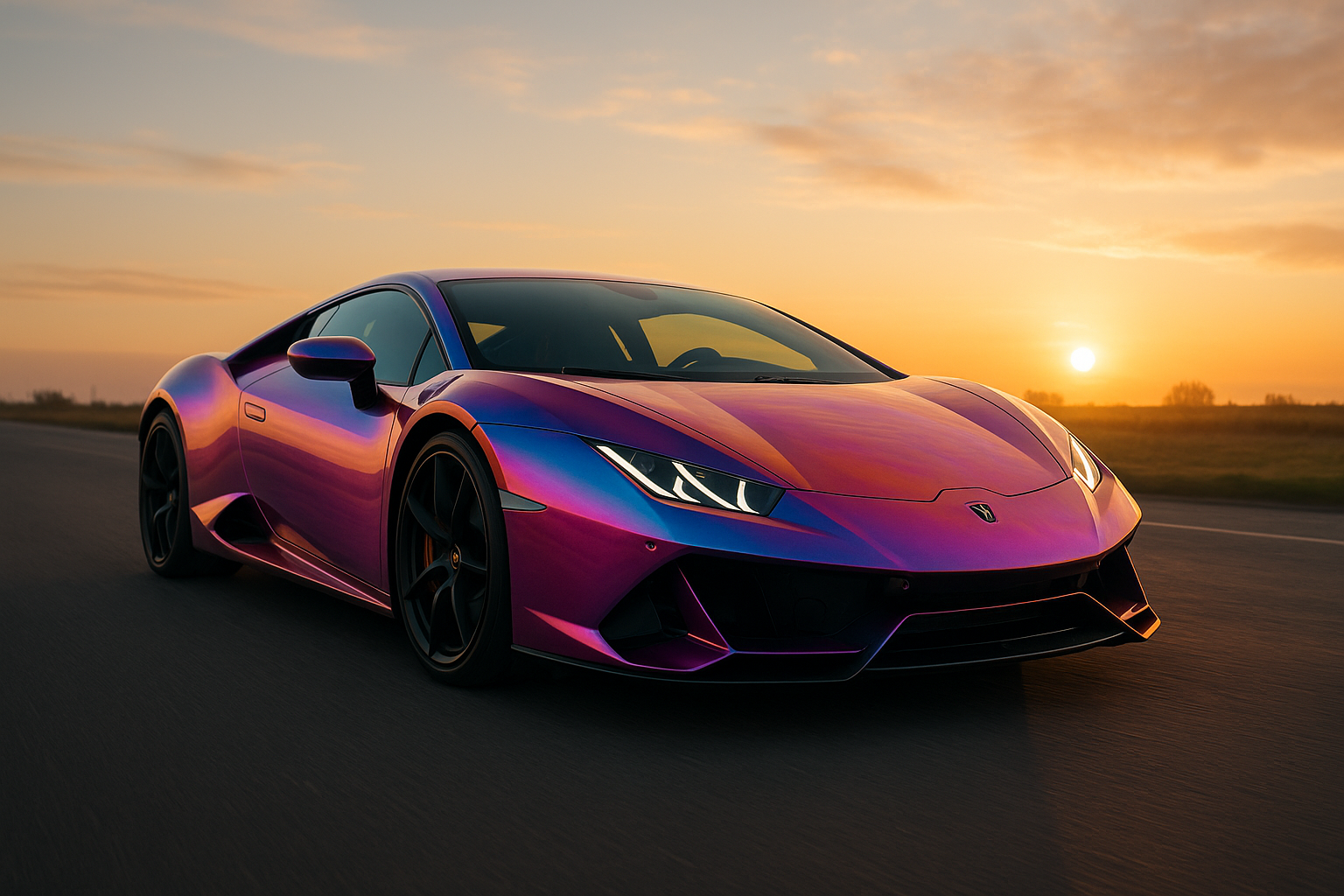
Learn why wrap buyers no longer trust 3D vehicle models and what modern customers expect from wrap visualization tools.
The wrap industry is evolving faster than ever, and customer expectations are evolving right along with it. Buyers today are more informed, more visually driven, and more skeptical of anything that looks artificial or inaccurate. In the past, wrap shops relied heavily on 3D models to showcase color options and potential designs. But that era is ending. Customers no longer trust 3D models, and they are demanding something far more personalized, accurate, and authentic.
This shift is not based on a trend. It is based on psychology, technology, and the rising expectations shaped by personalized online experiences across every major industry. Buyers want to see their own vehicle, not a generic template. They want realism, not approximation. They want confidence, not uncertainty.
In this article, we explore why customers are losing trust in 3D models, what they expect instead, and how AI powered photo based visualization from wrapmyride.ai is becoming the new standard for wrap shops that want to increase conversions, improve customer experience, and stay competitive.
The Rise and Fall of the 3D Model in Wrap Sales
For years, 3D vehicle models were considered innovative. They allowed shops to demonstrate basic color changes and present design ideas more easily than physical swatches alone. But the usefulness of 3D models has never matched the expectations of real customers.
They lack realismThey do not match the customer’s actual carThey distort curves, reflections, and proportionsThey ignore lighting conditionsThey feel generic and impersonal
As consumer expectations rise, these limitations have become impossible to ignore.
Why Modern Wrap Customers Are Losing Trust in 3D Models
Customers today expect accuracy and personalization from every online experience. They see personalized ads, personalized recommendations, personalized shopping suggestions, and tailored content everywhere they go. When they visit a wrap shop website and are shown a generic rendering of a car that does not resemble theirs, trust is damaged immediately.
Here are the biggest reasons customers no longer trust 3D models.
1. 3D Models Look Nothing Like Their Actual Vehicle
Real cars have unique characteristics, such as:
ModificationsTrim differencesWheel stylesBody kitsPaint conditionsSunroof variationsWindow tint levels
A 3D model cannot account for any of these details. The customer recognizes immediately that the rendering is a template, not a representation of their vehicle.
This creates psychological distance. The customer does not feel connected to the visual and does not trust the final outcome.
2. 3D Models Cannot Accurately Replicate Lighting or Reflections
Wrap colors behave differently depending on:
Time of dayWeather conditionsPanel angleGloss levelMetallic flakeSatin diffusion
3D models simulate light, but they do not replicate it. The result is an image that feels artificial and inconsistent with real world conditions.
Customers notice this. Even if they cannot articulate the issue, they sense that something is off.
3. 3D Models Flatten the True Appearance of Gloss, Satin, and Matte Finishes
A gloss black wrap on a real car shows sharp reflections. A satin finish diffuses them. A matte finish cancels them almost entirely.
3D models often display these effects in exaggerated or incorrect ways, which leads to disappointment when the real result does not match the preview.
This mismatch damages trust and increases hesitation.
4. 3D Models Feel Outdated in a World Full of AI Visualization
Customer expectations have been shaped by advancements in generative AI. They know what modern visualization can do. They understand that photo based AI previews are possible. When a shop is still using old tools, customers wonder:
Why are they not using the latest technologyAre they behind the timesWill my wrap look outdated too
Technology signals professionalism. Outdated technology sends the wrong message.
5. 3D Models Do Not Allow Customers to See Their Real Car Transformation
The biggest issue is simple. A customer wants to see their car, not a simulated version of someone else’s. If you cannot show them their vehicle, they feel like they are making an expensive decision in the dark.
This uncertainty delays or kills the sale.
6. Online Shoppers Expect Instant Personalization
Customers are used to experiences that adapt to them instantly. Amazon shows products based on browsing behavior. Google Maps suggests destinations based on history. Streaming platforms recommend movies tailored to personal taste.
In contrast, a 3D model is static and impersonal. It treats every shopper the same.
This disconnect reduces trust and engagement.
7. 3D Models Do Not Support Premium Wrap Sales Effectively
Premium colors such as metallic copper, satin charcoal, or iridescent finishes cannot be accurately represented in a 3D environment. These specialty films rely on:
Light behaviorDepthTextureReal world shading
Customers want to see these effects on their own vehicle before paying premium prices.
3D models fail to deliver, and the customer senses it.
What Customers Expect Instead of 3D Models
Modern wrap buyers want clarity, personalization, and confidence. They want an experience that feels modern, intuitive, and accurate.
Here is what customers now expect.
1. Real Photo Based Visualization of Their Own Car
Customers want to upload a photo of their vehicle and see the wrap applied instantly. This approach provides:
Immediate personalizationRealistic lighting and shadowsAccurate proportionsAuthentic reflectionsTrue to life representation
This builds trust instantly.
2. A Wrap Experience That Feels Advanced and Professional
Technology reflects credibility. Customers associate AI powered previews with shops that are:
ModernHigh qualitySkilledProfessional
AI visualization elevates your brand before the first conversation.
3. A Fast, Interactive, Self Service Tool
Today’s customers prefer to explore options at their own pace. They expect:
Instant previewsMultiple color comparisonsFinish experimentationMobile friendly functionality
wrapmyride.ai provides all of these features seamlessly.
4. A More Transparent Buying Process
Personalized previews eliminate uncertainty. Customers expect transparency in:
Color appearanceFinish behaviorPanel coverageTexture effectLight response
AI previews help them understand the final outcome visually rather than relying on imagination.
5. A Higher Standard of Accuracy for Premium Wrap Purchases
Premium films cost more. Customers want to be sure they are choosing the right color. They want visual confirmation, not verbal reassurance.
AI previews deliver that accuracy.
Why AI Powered Previews Are Replacing 3D Models Industry Wide
Shops adopting AI visualization report dramatic improvements in:
Conversion rateCustomer trustWebsite engagementLead qualityFull wrap salesPremium color upgradesConsultation eff