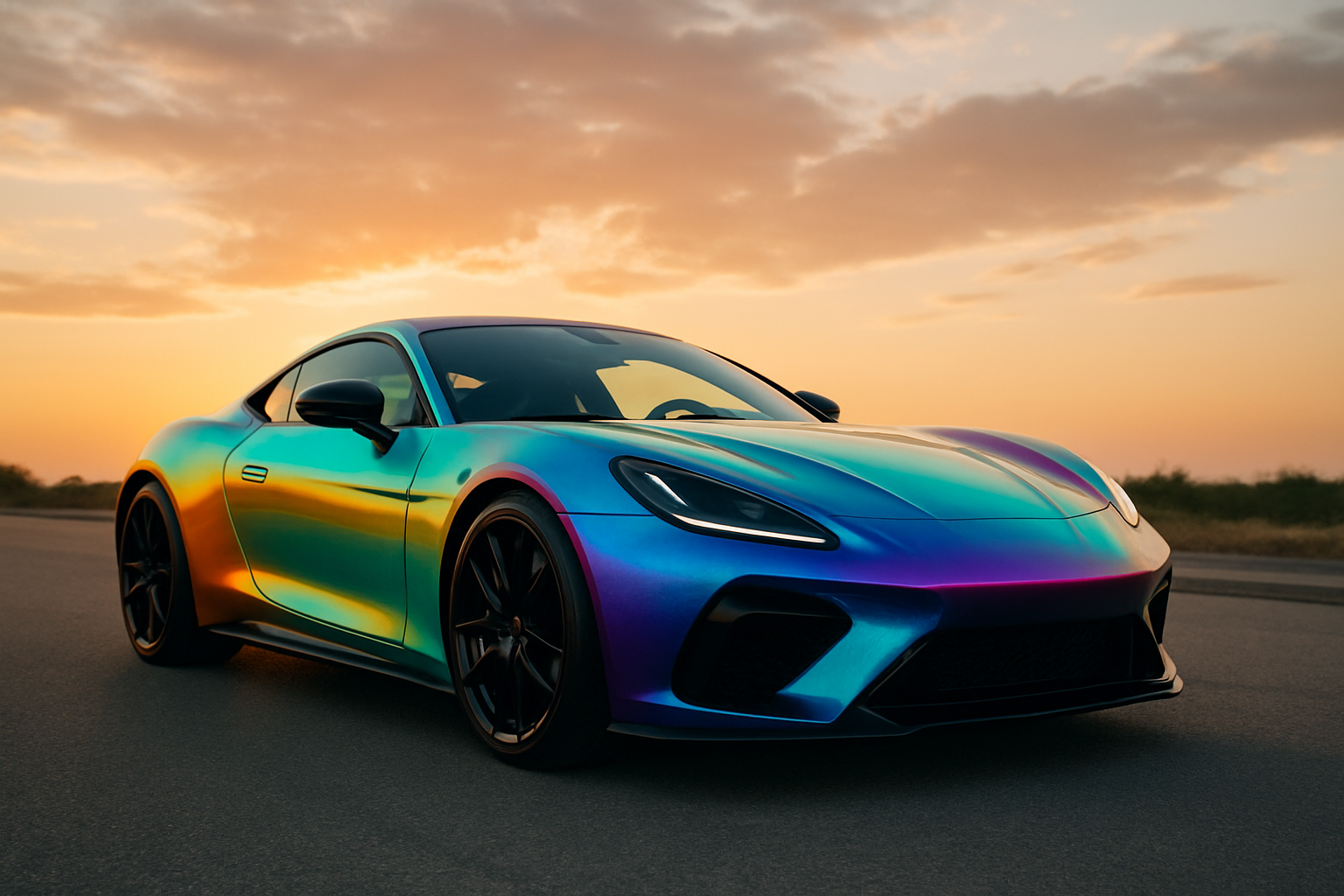
Learn why generic wrap mockups no longer convert customers and how AI powered visualization fixes these problems instantly.
For years, wrap shops have relied on generic mockups to show customers what a wrap might look like. These mockups are usually created using stock templates, artistic renderings, or quick Photoshop overlays. At one time, they felt modern and helpful. But today’s wrap customers expect far more accuracy, personalization, and visual realism than generic mockups can provide.
Modern buyers want to see their actual vehicle, in their actual lighting, with the exact wrap color and finish applied precisely to their panels. Generic mockups simply cannot deliver that level of clarity, and customers know it instantly. As a result, generic mockups lead to hesitation, confusion, revisions, and lost sales.
AI powered visualization technology solves these problems immediately. With wrapmyride.ai, customers can upload a photo of their vehicle and see a realistic preview in seconds. This shift is transforming how wrap shops sell, communicate, and build trust.
This article explains why generic mockups fail and how AI fixes every problem automatically, giving wrap shops a major competitive advantage.
The Limitations of Generic Mockups in Wrap Sales
Generic mockups are often based on predefined vehicle outlines, template images, or artificially shaded models. They may show basic color changes, but they rarely offer the level of accuracy or personalization customers expect.
Here are the most common reasons they fail.
1. Generic Mockups Look Nothing Like the Customer’s Actual Vehicle
Every vehicle is unique. It has its own:
Trim levelPaint toneWheel styleHeadlight shapeBody modificationsWindow tintSunroof or roof variationsPersonal details
Generic mockups ignore all of this. When a customer sees a vehicle that does not resemble theirs, trust drops immediately.
The customer begins wondering:
Will the wrap really look like thatIs the color accurateWill the finish appear the same on my vehicleIs the shop guessing
This uncertainty slows down or kills the sale.
2. Generic Mockups Cannot Reproduce Real World Lighting
Wrap colors behave differently depending on:
Time of daySunlight directionWeatherShade intensityProximity to reflective surfaces
Generic mockups use artificial lighting that never matches reality. This leads to inaccurate expectations, especially for colors such as:
Satin charcoalMatte army greenGloss metallic blueColor shifting films
Customers can sense when a preview is unrealistic. Even if they cannot explain why, they recognize that the lighting feels off.
AI uses the lighting from the customer’s actual photo, eliminating this disconnect.
3. Flat Templates Distort Body Lines and Contours
Vehicle wraps interact with:
CurvatureAnglesPanel shapesEdgesIndentationsFlares
Generic templates flatten or oversimplify these details. As a result, the customer sees a version of the wrap that will never look the same on their real vehicle.
This lack of accuracy reduces confidence and makes customers hesitant to commit.
4. Generic Mockups Do Not Capture Finish Behavior
Wraps come in many finishes, including:
GlossMatteSatinColor shiftPearlTexture enhanced films
Each finish reacts uniquely to light. Gloss intensifies reflections. Matte diffuses them. Satin softens them. Color shift films change color entirely.
Generic mockups fail to capture these variations accurately. This makes it harder for customers to understand what they are buying.
AI solves this by using real reflections and shading from the uploaded photo.
5. Generic Mockups Feel Outdated in a Modern Market
Today’s customers encounter advanced visualization everywhere they shop. Real estate tours show personalized home staging. Ecommerce stores display products in 3D or augmented reality. Automotive websites offer highly detailed build and price configurators.
When a wrap shop still relies on generic mockups, customers feel like the process is outdated. This weakens the shop’s perceived professionalism and lowers conversion rates.
AI visualization modernizes your customer experience instantly.
6. Generic Mockups Cause More Revisions and Back and Forth Communication
Because generic previews lack accuracy, customers often ask:
Can you try another angleCan you show a different lightingCan you create a version with another finishCan you try a different template
This increases workload and delays decisions.
AI previews reduce revision requests significantly because customers immediately see a realistic version of their wrap on their own vehicle.
7. Generic Mockups Fail to Sell Premium Wraps Effectively
Premium films are highly visual. Customers want to see the depth of:
Metallic flakeIridescent color shiftsPearl glowBrushed textureMatte diffusion
Generic mockups flatten these effects, making premium wraps harder to sell.
AI previews display finishes more accurately, increasing upsell success.
8. Customers Distrust Generic Mockups Because They Know Better Options Exist
Buyers today are more tech savvy than ever. They know that modern AI tools can produce realistic personalization. When a shop uses generic mockups, the customer senses a gap between the level of technology they expect and the technology the shop actually provides.
This disconnect damages trust even before the conversation starts.
AI closes that gap instantly.
How AI Fixes Every Problem Generic Mockups Create
AI powered visualization solves the core issues associated with generic mockups by delivering instant, highly accurate, personalized wrap previews based on real photos.
Here is how AI solves these problems automatically.
1. AI Uses Real Photos Instead of Templates
The customer uploads a photo of their actual vehicle. The AI applies the wrap directly to that image, using:
True proportionsReal reflectionsAuthentic depthNatural lighting
This instantly increases trust because customers see exactly what matters most. Their car.
2. AI Automatically Adjusts to Real World Lighting and Shadows
AI blends wrap colors into the natural lighting captured in the photo. This ensures accurate previews in terms of:
BrightnessContrastShadow behaviorReflection intensity
This realism builds confidence and minimizes the risk of misunderstandings.
3. AI Preserves Curves, Contours, and Body Lines
AI wrap previews adapt to the vehicle’s:
FendersHood curvesDoor linesTrunk edgesBumper anglesRoof shapes
This level of detail cannot be replicated in generic flat templates.
4. AI Renders Each Finish Realistically
Whether it is gloss, satin, matte, metallic, or color shifting, AI simulates finishes based on how they interact with the actual lighting in the uploaded photo.
This creates previews that feel believable and true to life.
5. AI Delivers Instant Personalization
Customers see their car wrapped immediately. Personalization increases emotional engagement and dramatically improves conversion rates.
When a customer sees a personalized preview, they often think:
This is what my car is going to look like